 Save to Pinterest
 I discovered these noodle cups on a sweltering afternoon when my fridge was packed with takeout containers I'd forgotten about. Instead of ordering lunch again, I grabbed some soba noodles and whatever vegetables were lurking in the crisper drawer. That simple improvisation became my go-to solution for those mornings when I'm too rushed to think about what to eat. Now I make them by the batch, knowing that opening my lunch at work will be a moment of pure calm in a hectic day.
I brought these to a potluck once thinking they were too casual, but three people asked for the recipe before dessert arrived. That's when I realized that sometimes the most satisfying meals are the quiet ones, eaten at your desk with the window open, not the elaborate ones you stress over.
Ingredients
- Soba or rice noodles, 200 g: Soba has this delicate, slightly nutty flavor that sesame oil really respects; rice noodles work too if that's what you have, and they're a bit more forgiving if you accidentally overcook them.
- Soy sauce, 3 tbsp: Low sodium lets the other flavors shine without tasting like you've accidentally seasoned a salt mine.
- Toasted sesame oil, 2 tbsp: The good stuff here; raw sesame oil tastes thin and sad by comparison, so don't skip the toasted version.
- Rice vinegar, 1 tbsp: This keeps everything bright instead of heavy, and it prevents the noodles from clumping by the next day.
- Honey or maple syrup, 1 tsp: Just enough sweetness to make the savory elements feel complete, not to make it dessert.
- Chili garlic sauce, 1–2 tsp: Start with less and taste as you go; some bottles are genuinely spicy, others are mild enough for people afraid of heat.
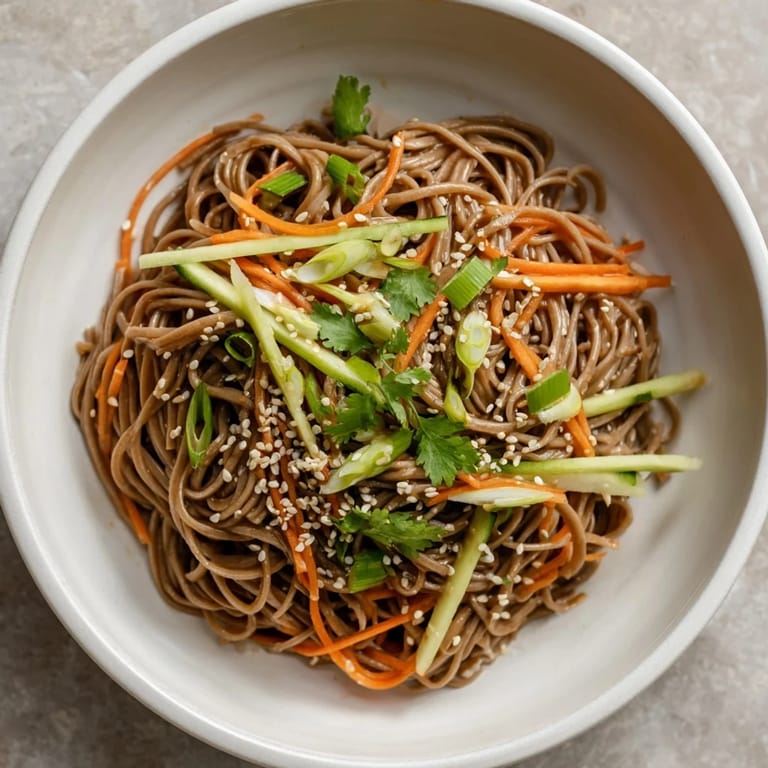
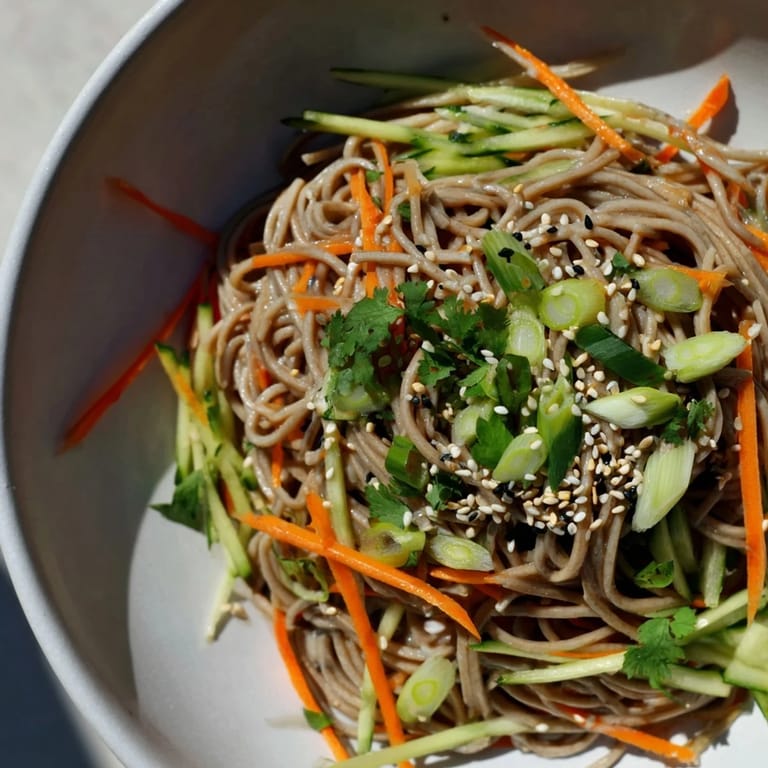
- Cucumber, 1 cup julienned: The crispness is everything; soft cucumber is a disappointment, so cut it just before assembling if you can.
- Carrots, 2 medium julienned: These add sweetness and a slight bite that balances the richness of the oil.
- Green onions, 2 medium thinly sliced: They keep their perk in the fridge better than you'd expect, adding a sharp onion note throughout.
- Toasted sesame seeds, 2 tbsp: These add the final crunch and a whisper of nuttiness that ties everything together.
- Fresh cilantro, 1 tbsp chopped (optional): Not everyone loves it, but those who do find it lifts the whole dish into something more herbaceous and alive.
Tired of Takeout? 🥡
Get 10 meals you can make faster than delivery arrives. Seriously.
One email. No spam. Unsubscribe anytime.
Instructions
- Cook the noodles until tender:
- Bring a pot of water to a rolling boil and cook the noodles according to the package, then drain them into a colander and run them under the coldest water your tap allows. This stops them from cooking further and gives you that perfect al dente texture that won't turn mushy by lunchtime.
- Whisk the sauce into being:
- In a small bowl, combine the soy sauce, sesame oil, rice vinegar, honey, and chili garlic sauce with a few quick whisks until it's glossy and unified. Taste it straight from the spoon; this is the moment to adjust if you want it spicier or sweeter.
- Divide and build:
- Spoon the chilled noodles evenly into four meal prep containers, creating a slight well in the center of each mound. This makes it easier to distribute the vegetables and sauce without everything tumbling around.
- Layer in the vegetables:
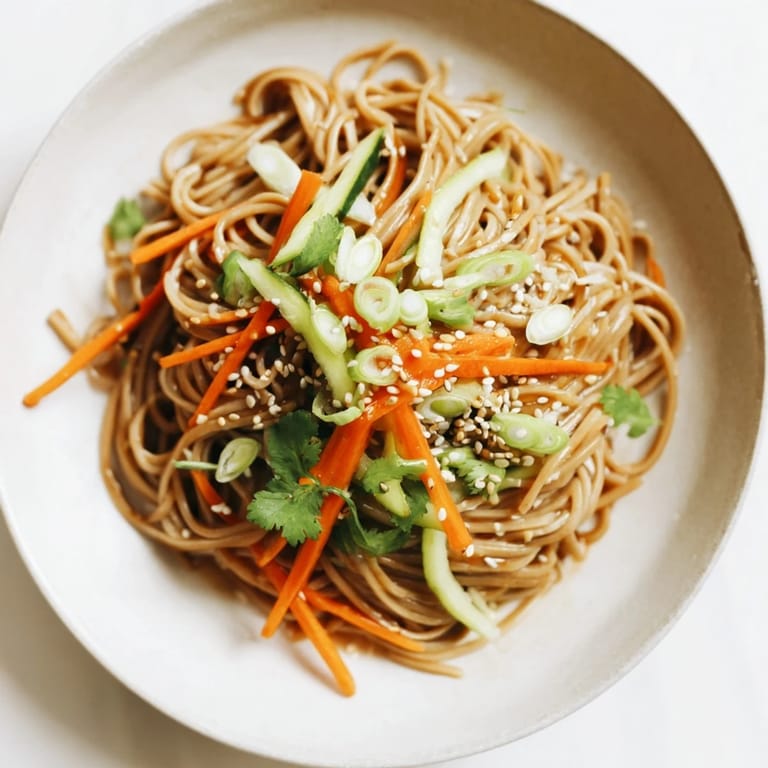
- Top each container with a handful of cucumber, carrot, and green onion, arranging them in little piles so they look intentional and stay where you put them. The vegetables stay fresher this way, not buried under sauce from day one.
- Drizzle and combine:
- Pour the sauce evenly over each cup and give everything a gentle toss with a fork, making sure the noodles get coated without breaking them into tiny pieces. The goal is to coat, not to mash.
- Finish and seal:
- Scatter sesame seeds and cilantro over the top if you're using it, then seal the containers and refrigerate until hunger calls. Everything melds beautifully overnight, and by day two, the flavors have deepened into something even better than when you first made them.
 Save to Pinterest
 My favorite moment with these cups came during a particularly gray winter week when a friend stopped by and opened my fridge looking for something to snack on. She found one of these, took a bite without asking, and suddenly her whole expression changed—that surprise and satisfaction made me realize how much power there is in a simple, well-made lunch waiting in the refrigerator.
Make It Your Own
The beauty of this recipe is that it bends to what you have on hand and what your mood demands. I've swapped in thinly sliced red cabbage for extra crunch, added mandarin orange segments for brightness, and once threw in leftover roasted broccoli just because it was there and cold. The core sauce and noodles are the anchor, and everything else is negotiable.
Protein Options Worth Trying
If you want these to feel more substantial, the additions are nearly endless. Cubed pressed tofu adds a quiet earthiness, shredded rotisserie chicken makes it heartier without extra cooking, and edamame brings a pop of color and plant-based protein. I've also crumbled some crispy tempeh on top and felt like I'd just invented something new. The sauce carries all of these additions beautifully, so you never feel like you're forcing an ingredient in.
Storage and Timing
These containers will keep happily in the fridge for up to three days, though I find they taste best when eaten within the first two. The noodles stay firm, the vegetables stay slightly crisp, and the sauce flavor intensifies rather than fades. If you're making them on Sunday for the whole week, I'd suggest assembling them without the sauce, keeping the sauce in a small jar on the side, and mixing them fresh each morning—it takes thirty seconds and ensures every bite tastes like you just made it.
- Prep everything the night before and assemble in the morning if you're fussy about vegetable crispness.
- The sauce actually improves after sitting overnight, so make it a day ahead if you're already planning ahead.
- Keep sesame seeds in an airtight container and add them fresh the morning you eat, so they stay toasted and crunchy.
 Save to Pinterest
 These noodle cups represent something I've come to treasure: the luxury of a thoughtful lunch that asks nothing from you except that you remember to eat it. There's quiet power in that.
Recipe FAQs
- → What types of noodles work best chilled?
Soba or rice noodles are ideal as they hold texture well after chilling and absorb the sauce flavors nicely.
- → How can I adjust the spiciness level?
You can reduce or omit the chili garlic sauce or substitute with milder chili flakes to suit your taste preferences.
- → What toppings add extra flavor and texture?
Julienned cucumber, carrots, green onions, toasted sesame seeds, and fresh cilantro contribute crunch and brightness.
- → Can this dish be prepared ahead and stored?
Yes, assemble and refrigerate for up to three days, but keep sauces separate until serving to maintain freshness.
- → Are there protein options to include?
Add cubed tofu, shredded chicken, or edamame for added protein and heartiness without altering the overall profile.