 Save to Pinterest
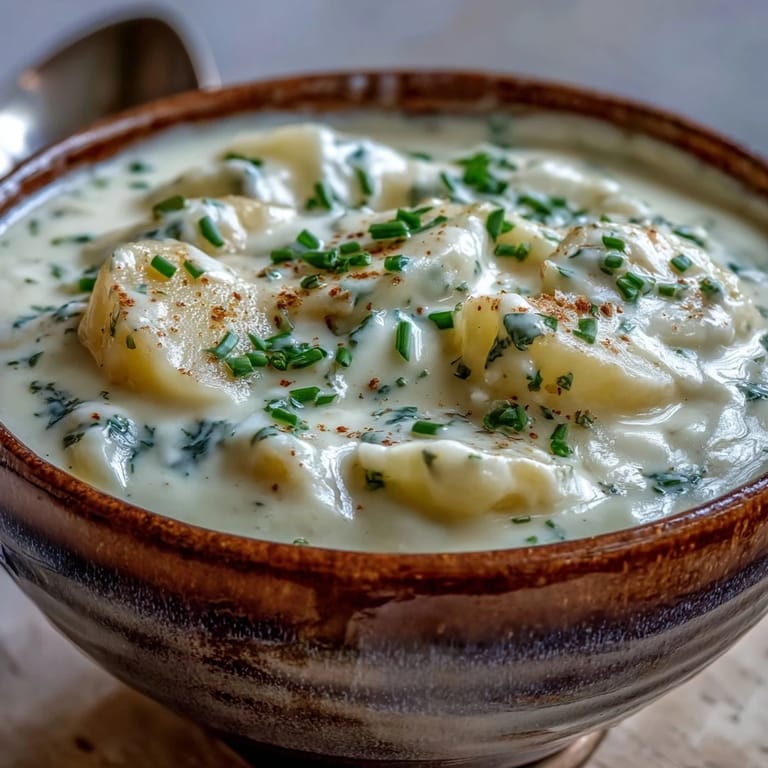
 The first time I made potato leek soup, I was huddled in my tiny apartment kitchen during an unexpected autumn storm. Rain tapped against the windows as I slowly sautéed leeks, watching them collapse and sweeten in the butter. That rich, oniony perfume filling my small space felt like a shield against the weather, and by the time I took my first spoonful, the storm outside seemed almost welcome – a perfect backdrop for such a comforting creation.
Last winter when my neighbor was recovering from surgery, I brought over a container of this soup along with some crusty bread. She called me later that evening, voice warm with gratitude, saying it was exactly what she needed. We joked that potato leek soup should be prescribed by doctors for its healing properties, and now whenever I make a batch, I think of her recovery and how food connects us even through difficult times.
Ingredients
- Leeks: The star of the show deserves special attention – make sure to slice them in half lengthwise first and rinse thoroughly between the layers where grit loves to hide.
- Yukon Gold potatoes: After years of experimenting, I found these have the perfect starch content to create that silky texture without becoming gluey or falling apart.
- Butter and olive oil combo: This duo gives you the best of both worlds – the rich flavor of butter with olive oil's higher smoke point, preventing those delicate leeks from burning.
- Fresh thyme: Strip the tiny leaves by holding the stem at the top and running your fingers down against the direction of growth – much faster than tediously picking each leaf.
Tired of Takeout? 🥡
Get 10 meals you can make faster than delivery arrives. Seriously.
One email. No spam. Unsubscribe anytime.
Instructions
- Coax out the sweetness:
- Melt butter and olive oil over medium heat, then add your leeks and onion, stirring occasionally until they become translucent and soft. Listen for that gentle sizzle that tells you the heat is just right.
- Build the aromatics:
- When you add the garlic and celery, the kitchen will fill with an intoxicating fragrance that signals youre on the right track. Keep stirring to prevent any browning that could turn bitter.
- Create the foundation:
- As you stir in the potatoes, herbs, and seasonings, imagine youre laying the groundwork for something magnificent. The broth should just barely cover everything – add a splash more if needed.
- Practice patience:
- Let everything simmer gently until the potatoes yield easily when pressed with the back of a spoon. This gentle cooking allows the flavors to meld rather than compete.
- Find your perfect texture:
- Some days I blend until satin-smooth, other times I leave it slightly chunky for more rustic charm. Trust your mood as your guide here.
- Enrich and warm:
- Stirring in the milk or cream should be done off the heat first, then gently rewarmed. Watch how the color transforms into something more inviting.
- Make it your own:
- For a seafood variation, add cooked shrimp or scallops just long enough to warm through. The sweet seafood against the earthy soup creates a beautiful contrast.
 Save to Pinterest
 During my daughters college finals week, I packaged individual portions of this soup and dropped them at her apartment with fresh bread. Her roommates, who had been subsisting on coffee and vending machine snacks, gathered around the kitchen table that night and shared the pot together. She called to tell me it was the first time theyd all sat down for a proper meal in weeks, and somehow this simple soup had created a moment of calm in their stress-filled lives.
Cleaning Leeks Properly
The first time I made this soup, I rushed through cleaning the leeks and ended up with a gritty disaster that no one wanted to eat. Now I slice them lengthwise first, fan the layers open under running water, and sometimes even soak them in a bowl of cold water, letting the dirt sink to the bottom. That extra few minutes of care makes the difference between a sublime soup and one that feels like youre chewing on garden soil.
Storage and Freezing
This soup develops deeper flavor after a night in the refrigerator, when all those lovely aromatics have had time to get properly acquainted. For freezing, I learned to leave out the dairy and add it only after reheating, preventing that strange grainy texture that can happen with frozen cream soups. Once I made a triple batch after scoring a mountain of leeks at the farmers market, and enjoyed that soup through three snowstorms, each bowl a reminder of autumn abundance.
Serving Suggestions
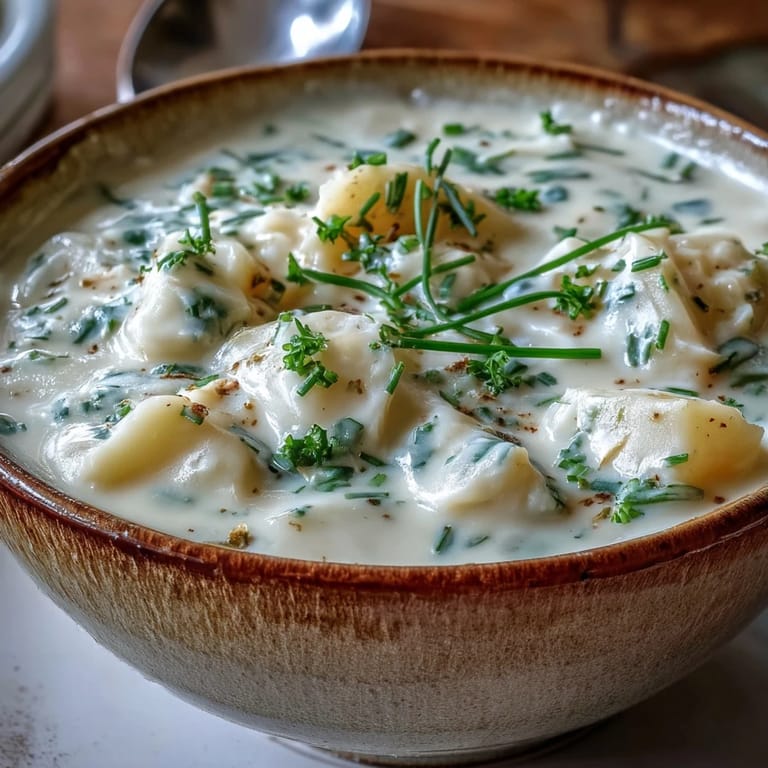
The beauty of this potato leek soup lies in its chameleon-like ability to dress up or down for any occasion. Ive served it in mugs for casual Sunday football watching and in my grandmothers china bowls for holiday starters, and it seems perfectly at home in either setting. When entertaining, I often set up a toppings bar beside the soup pot, letting guests customize their bowls with personal touches.
- For wine pairing, reach for something with bright acidity like Sauvignon Blanc or unoaked Chardonnay to cut through the creamy richness.
- A simple side salad with a sharp vinaigrette provides welcome contrast to the soups velvety texture.
- If youre feeling indulgent, cheese toasts made with gruyère or sharp cheddar make for delicious dunking companions.
 Save to Pinterest
 This humble potato leek soup has taught me that comfort doesnt always need to be complicated. Sometimes the most nourishing things come from the simplest ingredients, treated with care and attention.
Recipe FAQs
- → Can I make this dairy-free?
Absolutely. Replace butter with additional olive oil and use your preferred non-dairy milk alternative. Coconut milk adds richness while almond milk keeps it lighter.
- → What's the best potato variety?
Yukon Gold or other waxy potatoes work beautifully—they break down just enough for creaminess while maintaining some texture. Russets will make it thicker, while red potatoes stay firmer.
- → How do I clean leeks properly?
Slice them lengthwise, then chop. Place in a bowl of cold water, swish vigorously, and let sit for 5 minutes. The grit settles to the bottom while clean leeks float. Lift out carefully.
- → Can I freeze this?
Yes, though the texture may change slightly. Cool completely before freezing in airtight containers. Thaw overnight in the refrigerator and reheat gently, adding a splash of liquid if needed.
- → What's the difference between using broth types?
Vegetable broth keeps it vegetarian and lighter. Chicken broth adds deeper savory notes. Both work wonderfully—choose based on your dietary preferences and what you have on hand.
- → How long will leftovers keep?
Stored in an airtight container in the refrigerator, it will last 4-5 days. The flavors actually develop and improve overnight. Reheat gently over medium-low heat, stirring occasionally.