 Save to Pinterest
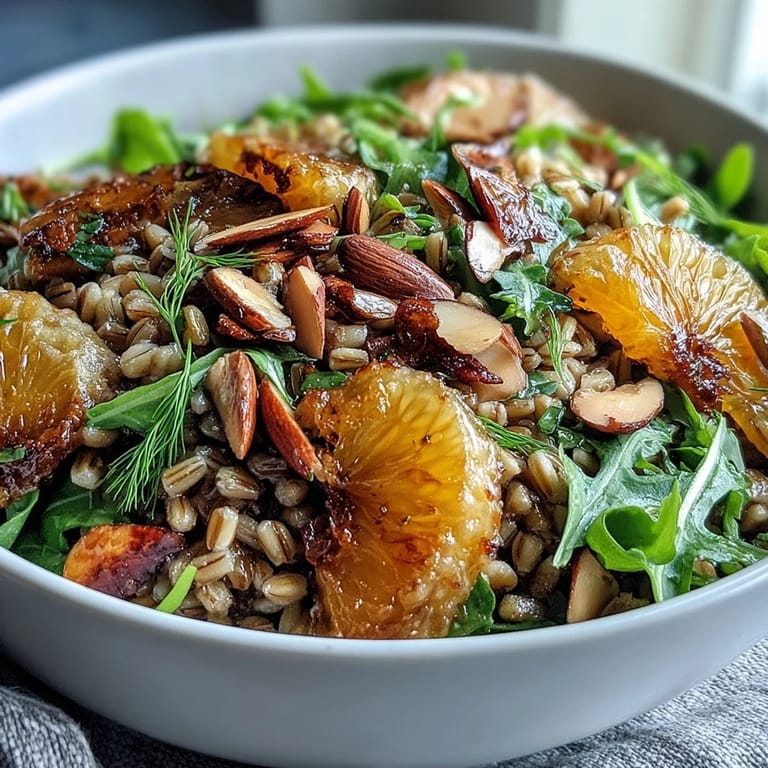
 There's something about the way citrus perfumes a winter kitchen that makes everything feel lighter, even when the weather outside is gray. I stumbled upon farro at a farmers market in late November, watching the vendor explain how it holds its texture without turning mushy, and I wondered what would happen if I paired it with the season's best oranges and some crispy fennel. That afternoon, I assembled the components without much of a plan, just following my nose and what looked good, and somehow ended up with a bowl that felt both substantial and refreshing—the kind of salad that doesn't need apologies for being made without meat.
I brought this to a potluck where someone's aunt had just returned from Sicily, and she took one bite and nodded slowly, which I learned is the highest compliment. Later she asked for the recipe and didn't write anything down—just listened while she ate, which taught me that sometimes food speaks louder than instructions ever could. That meal reminded me why I love cooking: not because everything turns out Instagram-perfect, but because it creates these small moments where people genuinely connect.
Ingredients
- Farro: This ancient grain stays wonderfully chewy even after cooking, which means your salad won't turn into mush by lunchtime tomorrow; rinse it first or you'll end up with a starchy, gluey mess.
- Fennel bulb: Slice it thin and you get this natural sweetness that pairs impossibly well with citrus; don't throw away those delicate fronds at the top because they're perfect for garnish and taste like anise without the aggressive perfume.
- Oranges: Juice one orange for the vinaigrette and segment the others for texture; blood oranges will make your salad look like it belongs in a painting, but regular ones work just as beautifully.
- Red onion: The raw bite mellows slightly as it sits but stays sharp enough to keep everything interesting; thin slicing is the key to not overwhelming the other delicate flavors.
- Sliced almonds: Toasting them yourself takes three minutes and changes everything—they become fragrant and golden, not that stale bag-taste you might remember.
- Extra-virgin olive oil: Use one you actually enjoy tasting because you'll notice it; the quality makes a real difference when there aren't many ingredients hiding what's going on.
- White wine vinegar: Sharp without being aggressive, and it lets the orange juice shine instead of competing with it.
- Dijon mustard: Just a teaspoon acts like an emulsifier and adds a subtle background note that ties everything together.
Tired of Takeout? 🥡
Get 10 meals you can make faster than delivery arrives. Seriously.
One email. No spam. Unsubscribe anytime.
Instructions
- Prepare the farro foundation:
- Rinse your farro under cold water until the water runs mostly clear, then add it to a saucepan with fresh water and salt. Bring everything to a boil, then lower the heat and let it simmer gently—you're looking for that moment around 20–25 minutes where each grain is tender but still has a little resistance when you bite it.
- Toast the almonds into fragrance:
- While your farro is cooking, pour the almonds into a dry skillet over medium heat and listen for the sound to shift from silence to gentle crackling. Watch them carefully for just a couple of minutes until they're golden and smell absolutely wonderful, then move them to a plate so they don't burn sitting in the hot pan.
- Build your vinaigrette magic:
- In a small bowl, whisk together the olive oil, fresh orange juice, vinegar, mustard, and honey until the mixture transforms from separated and loose into something that clings together. Taste it before you pour it on everything and adjust the salt and pepper—this is when you get to be in charge.
- Assemble with intention:
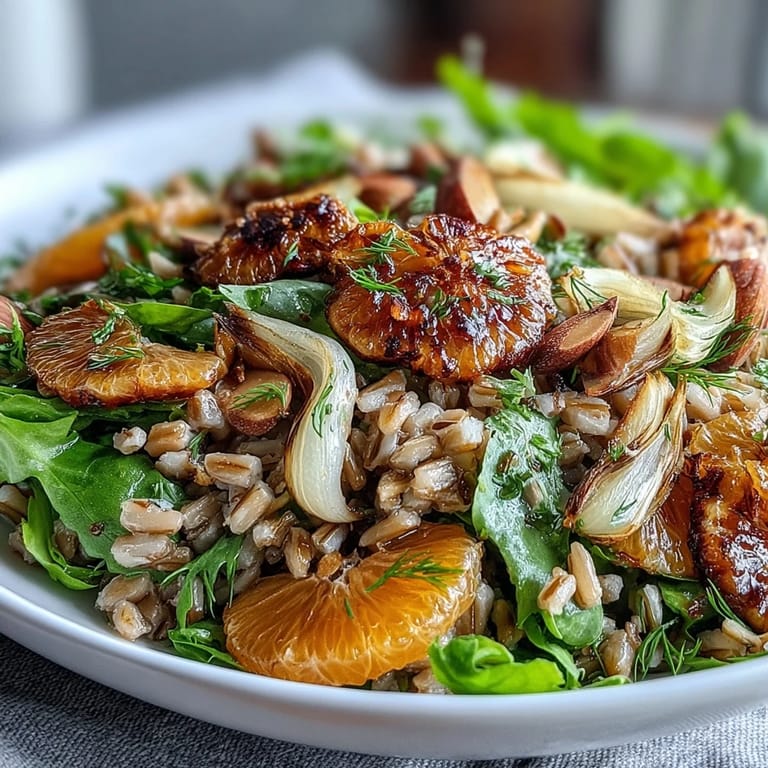
- Scatter your cooled farro into a large bowl with the sliced fennel, orange segments, red onion, and salad greens, then pour that vinaigrette over everything and toss gently so you don't crush the orange pieces or mash the tender greens. The goal is to coat everything without being rough about it.
- Finish and serve:
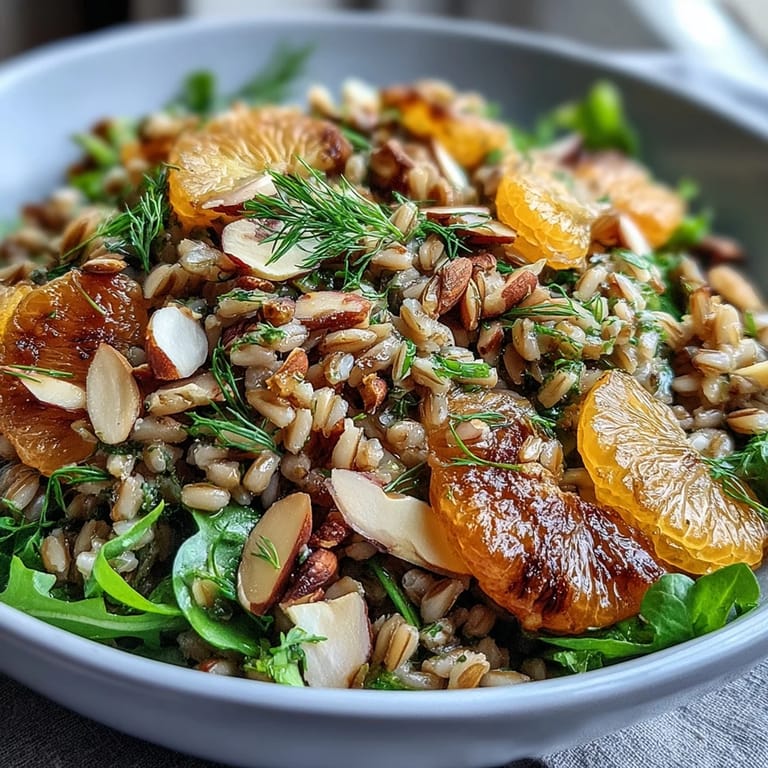
- Sprinkle those toasted almonds on top right before serving and scatter the reserved fennel fronds for color and that subtle licorice note. Taste one more time and add another pinch of salt if it needs it—sometimes it does.
 Save to Pinterest
 My sister brought her kids to dinner one night and my nephew asked why the food was so colorful, which made me realize I'd never thought about it that way. He ate three bowlfuls, which is basically a miracle for a seven-year-old, and afterward he asked if oranges and fennel were best friends. That simple observation stuck with me—sometimes the best recipes are just foods that genuinely like existing near each other.
Why This Salad Works Year-Round
Winter oranges are at their peak when everything else feels sparse, which makes this salad feel almost rebellious in its brightness. Come spring, you can substitute young fresh herbs where the fennel fronds would go, and summer versions can welcome grilled vegetables or fresh herbs without losing the essential spirit of the dish. The farro's nutty earthiness anchors everything, so it adapts without ever feeling like a completely different recipe.
The Secret of Toasted Nuts
I used to buy pre-toasted almonds until someone pointed out that I was paying extra for something I could do in my own skillet in under five minutes. That shift changed how I approach salads, because toasting nuts yourself means they're warm, fragrant, and actually flavorful instead of tasting like they've been sitting in a bag since last summer. It's one of those small kitchen moves that feels almost silly once you realize how much better it makes things.
Building Flavor Layers Without Heaviness
The trick to a salad that feels complete without any animal protein is making sure every element has something to contribute beyond just texture. The farro brings earthiness and substance, the citrus brings brightness and acidity, the fennel brings a whisper of something floral and sweet, and the almonds bring crunch and toasted depth. When you taste it all together, nothing dominates—everything just supports something else.
- You can absolutely add grilled chicken or even crispy chickpeas if you want to turn this into an even heartier main course.
- If you're making this ahead, keep the vinaigrette separate and dress it right before serving so the greens don't get soggy.
- Blood oranges in January make this feel luxurious, but any fresh citrus you can find will work beautifully.
 Save to Pinterest
 This salad has become my answer to that question of what to bring when you want to contribute something that feels thoughtful without spending the whole day in the kitchen. It's a reminder that good food doesn't have to be complicated—it just needs to be made with attention and genuine ingredients that respect each other.
Recipe FAQs
- → Is farro gluten-free?
Farro contains gluten as it's a wheat derivative. For a gluten-free alternative, try quinoa, buckwheat, or brown rice instead.
- → Can I make this ahead of time?
Absolutely. Prepare the farro and vinaigrette up to 2 days in advance. Store components separately and toss just before serving for the freshest texture.
- → What can I substitute for almonds?
Walnuts, pecans, or pumpkin seeds work beautifully. For nut-free options, try sunflower seeds or simply omit for a lighter version.
- → How do I store leftovers?
Keep in an airtight container in the refrigerator for up to 3 days. The flavors will meld beautifully, though the almonds may soften over time.
- → Can I add protein to this dish?
Grilled chicken, chickpeas, white beans, or feta cheese make excellent additions. Simply increase the vinaigrette slightly if adding more ingredients.
- → What's the best way to cut fennel?
Trim the fronds and stems, cut the bulb in half lengthwise, and remove the core. Slice thinly crosswise for delicate ribbons that complement the farro perfectly.