 Save to Pinterest
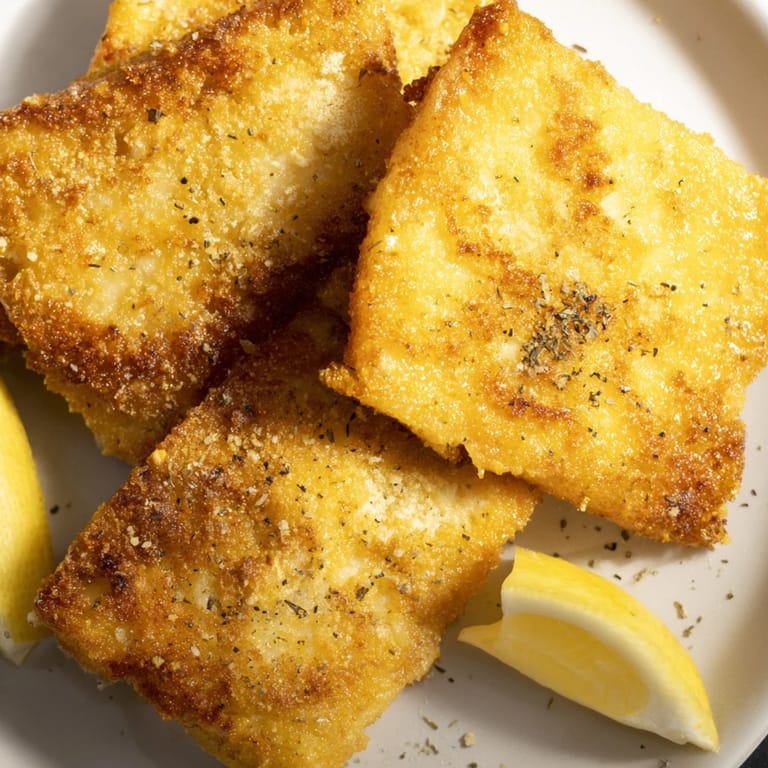
 The first time I understood what saganaki was, I wasn't in a restaurant or reading about it—I was watching my neighbor Maria flip something golden in her skillet while the smell of hot cheese and olive oil drifted across her kitchen window. She caught me staring, laughed, and within minutes I was holding a plate of these crispy, melting squares with a lemon wedge in hand. That moment taught me that some of the best dishes aren't complicated; they're just pure, honest ingredients treated with respect and a little heat.
I made this for friends on a weeknight without warning, just because I had good cheese and the craving hit suddenly. The sound of each slice hitting the hot oil, the immediate sizzle, the color blooming from pale to golden—it felt like a small magic trick happening on my stovetop. When I brought the plate out still steaming, someone said it tasted like Greece, and honestly, that's when I knew this recipe would become a regular thing in my kitchen.
Ingredients
- Firm Greek cheese (kasseri, kefalotyri, or halloumi), 200g sliced 1cm thick: This is the star, and thickness matters—too thin and it crisps before softening inside, too thick and it won't cook through. Kasseri and kefalotyri have that perfect melting point, but halloumi works beautifully if that's what you find.
- All-purpose flour, 2 tbsp: The flour creates that golden, crispy crust and helps the cheese brown evenly without burning the outside.
- Olive oil, 2 tbsp: Use good olive oil; it's one of three ingredients, so it matters. It should shimmer and smell fruity when it's ready.
- Lemon, 1 cut into wedges: The brightness cuts through the richness like a bell ringing through your mouth.
- Dried oregano, 1/2 tsp: This whispers rather than shouts, adding that Mediterranean touch without overwhelming the cheese.
- Freshly ground black pepper, to taste: Always fresh; pre-ground loses its punch.
Tired of Takeout? 🥡
Get 10 meals you can make faster than delivery arrives. Seriously.
One email. No spam. Unsubscribe anytime.
Instructions
- Dry your cheese:
- Pat each slice thoroughly with paper towels—moisture is the enemy of crispiness. Any water clinging to the surface will steam instead of fry, and you'll end up with soft cheese instead of that glorious crust.
- Coat lightly in flour:
- Don't be heavy-handed; you want just enough flour to catch the heat and brown, not a thick jacket. Shake off the excess so you see mostly cheese with a whisper of white.
- Heat your oil until it shimmers:
- The skillet should feel hot enough that when you hold your hand above it, you feel the warmth without touching. This is where the magic happens.
- Fry each slice until golden:
- Listen for the immediate sizzle when the cheese hits the oil—that sound means you're doing it right. One to two minutes per side, watching for that deep golden color. It happens faster than you'd expect.
- Drain and finish:
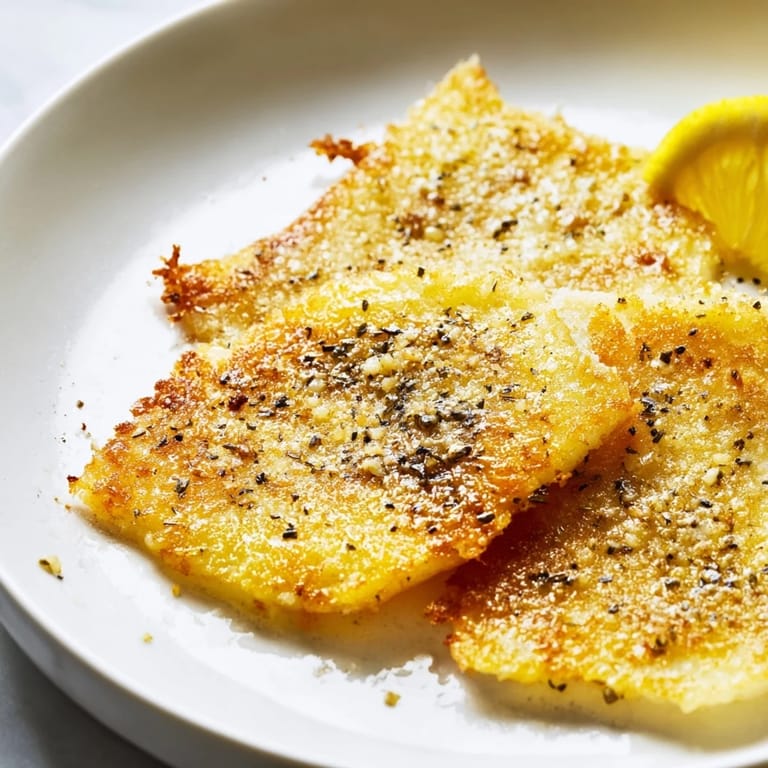
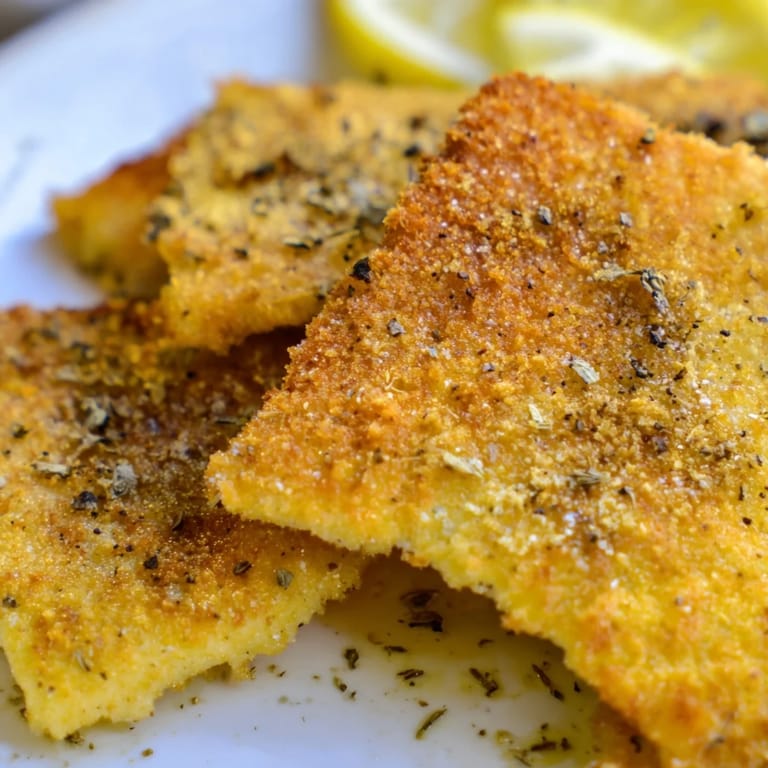
- A quick rest on paper towels catches excess oil. Then straight to the plate with oregano and pepper while everything is still hot and the cheese is still slightly yielding in the center.
- Serve immediately with lemon:
- Timing is everything here. The cheese firms up as it cools, so those first moments are the best—squeeze lemon, take a bite, and let it be warm enough that it stretches a little as you eat.
 Save to Pinterest
 There was an evening when someone who claimed to hate cheese tried this and went silent for a moment. That silence, and then the request for seconds, reminded me that sometimes the simplest things move people the most. Saganaki stopped being just a recipe in my kitchen after that.
Which Cheese to Choose
Kasseri and kefalotyri are the traditional choices because they have a higher melting point—they get crispy on the outside while staying creamy inside rather than melting completely into the oil. Halloumi is the reliable standby if you're shopping at a regular grocery store; it was bred for this exact purpose and won't let you down. Graviera, if you can find it, brings a slightly sweet, nutty note that makes the whole thing feel a bit more special. Don't use soft cheeses or young feta; they'll collapse into an oily puddle.
The Oil Temperature Game
I used to panic about whether my oil was hot enough, so I started watching for the shimmer and listening for the immediate sizzle. The shimmer is your visual cue—if the oil looks still and placid, it's not ready yet. Once you add the cheese and hear that aggressive sizzle, you know you're in the right zone. If the pan is smoking heavily or the cheese browns almost instantly, it's too hot; crack a window and cool it down slightly for the next batch.
Serving and Pairing Ideas
Saganaki is happiest served hot and fast, ideally as part of a mezze spread with olives, crusty bread, and marinated vegetables. A crisp white wine like Assyrtiko cuts through the richness beautifully, or even a cold beer works. I've also served it as the star of a casual appetizer night, arranged on a board with different dipping accompaniments like honey drizzled over the top, a sprinkle of dried chili flakes for heat, or even a tiny bowl of Greek yogurt on the side for those who want creaminess alongside the crispiness.
- The bread is non-negotiable for soaking up lemon juice and any escaped cheese.
- A small dish of honey on the side lets guests add sweetness if they want—sweet and salty together is unexpectedly good.
- Prep everything else before you start frying so you can serve immediately while the cheese is at its best.
 Save to Pinterest
 Saganaki is the kind of dish that makes you feel like a better cook than you actually are, and that's a gift. It's proof that great food doesn't require complexity, just good ingredients and attention.
Recipe FAQs
- → What type of cheese is best for Saganaki?
Firm cheeses like kasseri, kefalotyri, halloumi, or graviera work well due to their ability to crisp without melting too quickly.
- → How do you prevent the cheese from sticking to the pan?
Lightly dredge cheese slices in flour and use a well-heated non-stick skillet with enough olive oil to create a crispy crust.
- → Can this dish be made gluten-free?
Yes, substitute all-purpose flour with gluten-free flour to accommodate gluten-free diets without affecting texture.
- → What is the purpose of lemon in Saganaki?
Lemon adds a fresh, tangy contrast that enhances the richness of the fried cheese and complements the oregano seasoning.
- → How long should the cheese be fried?
Fry each side for 1–2 minutes until it turns golden and crispy, but before it starts melting out of shape.