 Save to Pinterest
 I discovered harissa paste lurking in the back of my pantry one weeknight when I needed dinner in forty minutes and had no creative ideas. It sat there with a story of some farmers market impulse buy, and I thought why not throw it into something simple? Chickpeas, tomatoes, pasta—the kind of no-fuss ingredients that live in every kitchen. That first bowl tasted like I'd somehow unlocked a secret version of comfort food, one with real depth and a gentle heat that built with each bite.
My friend Maya came over hungry and skeptical about vegetarian pasta, and I stirred this together while we talked. The moment the lemon hit the pan and that bright acidity cut through the spice, her whole face changed—she actually closed her eyes mid-bite. She asked for the recipe before she even finished eating, and now it's on her regular rotation too.
Ingredients
- Dried short pasta (penne, rigatoni, or fusilli): Use 350g and cook it just until al dente so it holds up when you toss it with the sauce; any softer and it falls apart.
- Olive oil: Good olive oil makes a difference here since it's one of the few fats in the dish, so grab something you'd actually enjoy.
- Onion: One medium onion finely chopped becomes the foundation for everything, softening into the sauce so you barely notice the pieces.
- Garlic cloves: Mince three cloves small and add them to the warm oil so they release their perfume without burning.
- Harissa paste: This North African chile paste brings the heat and complexity; start with two tablespoons and taste as you go since brands vary wildly in spice level.
- Ground cumin and smoked paprika: A teaspoon of cumin plus half a teaspoon of paprika deepen the flavor without overpowering anything.
- Canned diced tomatoes: One 400g can gives you the body of the sauce; don't bother with fresh unless you're making this at peak tomato season.
- Chickpeas: Two drained and rinsed 400g cans provide protein and substance, and rinsing them removes excess starch.
- Vegetable broth or water: Half a cup helps build the sauce and lets flavors meld without drying out.
- Lemon: One lemon's zest and juice brighten everything at the last moment, cutting through the richness with clarity.
- Fresh parsley or cilantro: Two tablespoons chopped herbs add freshness and a final layer of flavor.
- Optional feta cheese: Crumbled on top, it adds a salty, creamy note that makes the dish feel a little more special.
Tired of Takeout? 🥡
Get 10 meals you can make faster than delivery arrives. Seriously.
One email. No spam. Unsubscribe anytime.
Instructions
- Set your stage:
- Get a large pot of salted water boiling while you prep everything else. The salt should taste like the sea so the pasta absorbs flavor from the start.
- Cook the pasta:
- Follow package instructions and pull it out a minute before it feels completely soft—it'll finish cooking in the sauce. Reserve half a cup of starchy pasta water before you drain it.
- Start the sauce:
- Heat olive oil in a skillet over medium heat and let it warm for a moment. Add your chopped onion and let it soften for four to five minutes, stirring occasionally, until it turns golden and transparent at the edges.
- Build the flavor base:
- Stir in the minced garlic, harissa paste, cumin, and paprika all at once and let it cook for just a minute—this blooms the spices so they wake up in the sauce instead of staying flat.
- Add the body:
- Pour in the canned tomatoes and their juice, then add the drained chickpeas and vegetable broth. Give everything a good stir, taste it, and season with salt and pepper to your liking.
- Let it simmer:
- Cover the skillet and turn the heat down so the sauce bubbles gently for ten to twelve minutes. Stir it once or twice so nothing sticks, and you'll watch it thicken and deepen in color as the flavors marry together.
- Bring it together:
- Add the drained pasta to the sauce and toss everything until each piece is coated and glistening. If it looks too thick, splash in a little reserved pasta water a time or two until it feels right.
- Finish with brightness:
- Take the pan off the heat and stir in the lemon zest, lemon juice, and herbs. Taste it once more and adjust seasoning if you want more salt, pepper, or heat.
- Serve and celebrate:
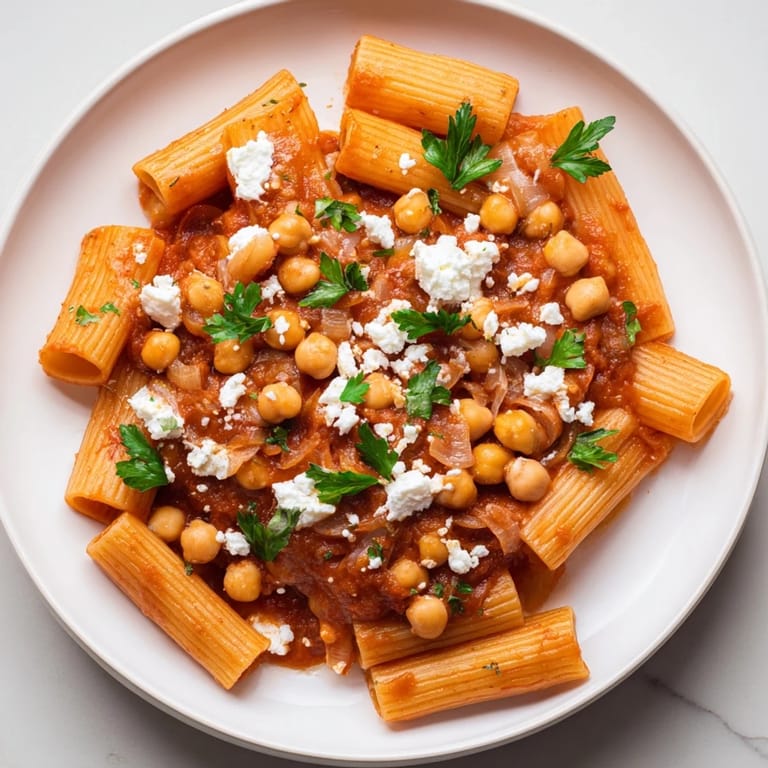
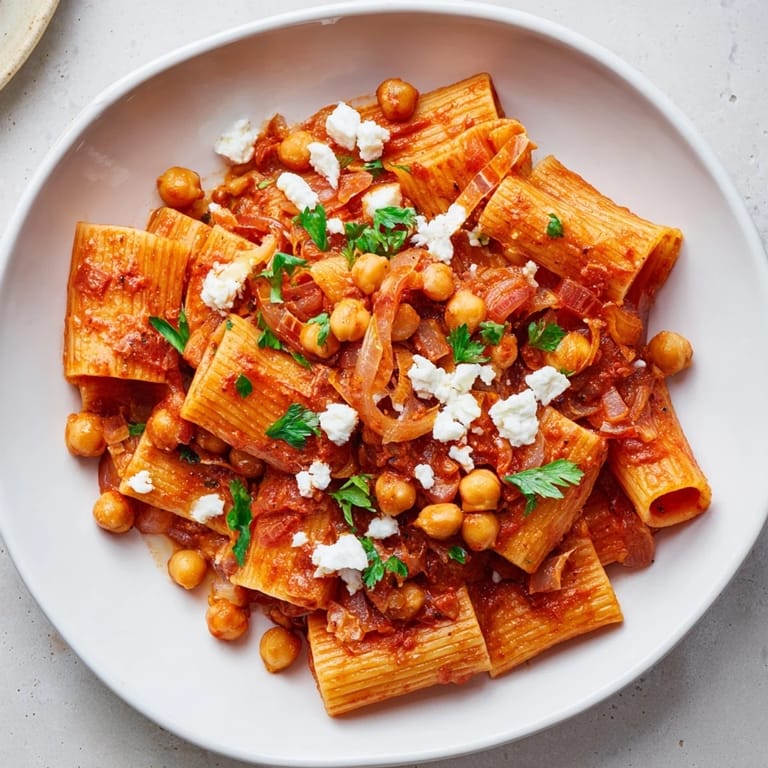
- Spoon it into bowls while it's hot and finish with a scatter of fresh herbs and crumbled feta if you have it on hand.
 Save to Pinterest
 There's a moment right before serving when the steam rises up and you catch that blend of harissa and lemon together—spice and brightness in the same breath. It's the kind of smell that makes you happy you decided to cook.
The Magic of Harissa
Harissa paste intimidated me for years because it seemed exotic and demanding, but it's actually one of the most forgiving ingredients once you understand it. Different brands vary wildly in heat level and flavor profile, so the first time you use a new jar, start with less than the recipe calls for and taste your way to the right amount. I've learned that harissa is most delicious when it's a background player warming the whole dish rather than a spotlight ingredient trying to dominate everything.
Why Chickpeas Work Here
Chickpeas have this creamy texture when they cook together with a sauce, almost like they soften and absorb the flavors around them. They're also humble enough that they don't demand to be the star—they just quietly fill out the dish with protein and earthiness. When I first started cooking vegetarian meals, I used to overthink which bean to choose, but chickpeas became my go-to because they work with almost anything and never disappoint.
Building Flavor in Minutes
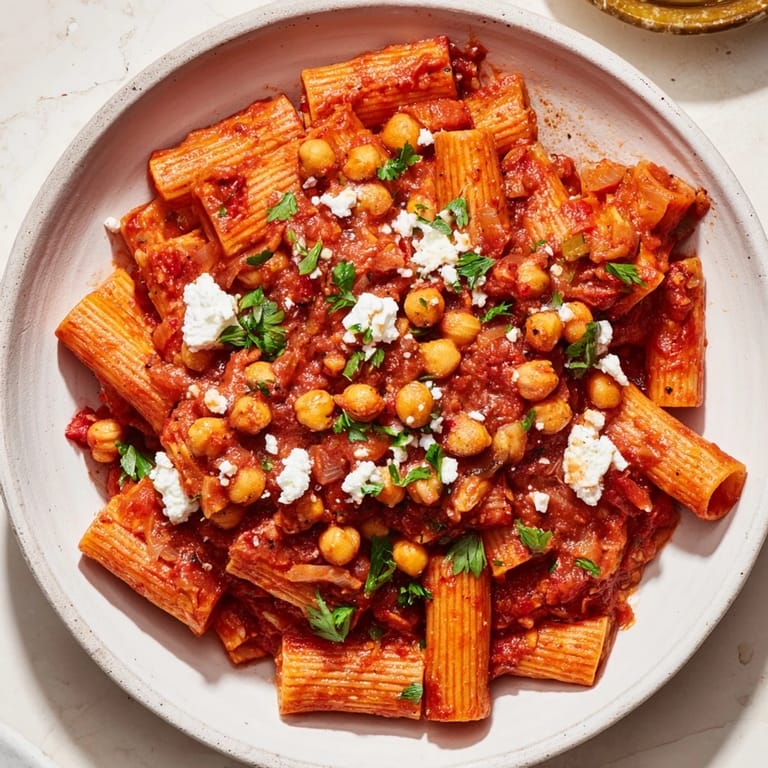
The speed of this dish comes from using jarred harissa and canned tomatoes, but don't let that fool you into thinking it tastes quick or shortcut-ish. The real flavor work happens in those first few minutes when you bloom the spices in warm oil and let the aromatics wake up. Everything that follows is just letting time do its gentle work, and by the time you sit down to eat, it tastes like you've been cooking all afternoon.
- Bloom your spices in warm oil for a full minute so they release their essential oils and flavor the whole sauce.
- Taste constantly as you season, because salt and pepper will need adjusting as the sauce concentrates.
- Don't rush the simmer—those ten to twelve minutes let the chickpeas soften and the flavors become one instead of separate notes.
 Save to Pinterest
 This is the kind of meal that quietly becomes a favorite because it's delicious and honest and never lets you down. Make it tonight if you need something good and real.
Recipe FAQs
- → What type of pasta works best for this dish?
Short pasta shapes like penne, rigatoni, or fusilli hold the sauce well and are ideal for this preparation.
- → Can I adjust the spice level?
Yes, increase or decrease the amount of harissa paste or add chili flakes to suit your preferred heat level.
- → How do I make this dish dairy-free?
Simply omit the optional crumbled feta cheese to keep it dairy-free without compromising flavor.
- → What can I substitute for chickpeas?
White beans or roasted vegetables work well as alternatives, maintaining texture and heartiness.
- → How should I reheat leftovers?
Reheat gently on the stove with a splash of water or broth to loosen the sauce and avoid drying out.