 Save to Pinterest
 One autumn afternoon, I was standing in a small café in Tokyo, watching the barista pour steamed milk into a cup of deep amber hojicha tea, and something clicked. That warm, toasty fragrance mixed with the creamy sweetness of the milk felt like discovering a secret version of my favorite coffee drink. I spent the next week experimenting in my own kitchen, adjusting temperatures and milk ratios, until I finally nailed that perfect balance of nutty depth and silky microfoam that makes this drink so irresistible.
I made this for a friend who'd just quit caffeine, and watching their face light up when they tasted it made the whole thing worthwhile. They kept asking what was in it, surprised something so satisfying could exist without coffee. Now they make their own version every Sunday morning, and somehow that's become a small ritual I'm proud to have introduced.
Ingredients
- Hojicha loose leaf tea or bags: 2 teaspoons of good-quality hojicha gives you that roasted, slightly sweet character that makes this drink special—don't skimp on quality here, it truly matters.
- Hot water: 120 ml at around 90°C (195°F) is the sweet spot; boiling water can make hojicha taste bitter and astringent.
- Whole milk or oat milk: 120 ml of cold milk that you'll heat and froth until it's impossibly velvety and cloud-like.
- Sweetener: 1 teaspoon of sugar, honey, or syrup if you like it, though honestly the hojicha's natural nuttiness might be enough for you.
Tired of Takeout? 🥡
Get 10 meals you can make faster than delivery arrives. Seriously.
One email. No spam. Unsubscribe anytime.
Instructions
- Brew your hojicha concentrate:
- Steep the hojicha leaves in hot water for 3 to 4 minutes, letting that warm brown color deepen and the aroma fill your kitchen. Strain out the leaves gently and set the concentrate aside while you work on the milk.
- Heat and froth the milk:
- Pour your cold milk into a small saucepan or milk pitcher and warm it gently until steam rises, being careful not to let it boil or scald. Using a frother, steam wand, or even a jar with a tight lid, create that fine microfoam by either steaming from below or shaking vigorously until the milk doubles in volume and feels silky.
- Prepare your cup:
- Pour hot water into your cup for a moment to warm it, then empty it out—this keeps your drink at the perfect drinking temperature for longer. Add your hojicha concentrate to the warm cup, stirring in any sweetener if you're using it until everything dissolves smoothly.
- Pour with intention:
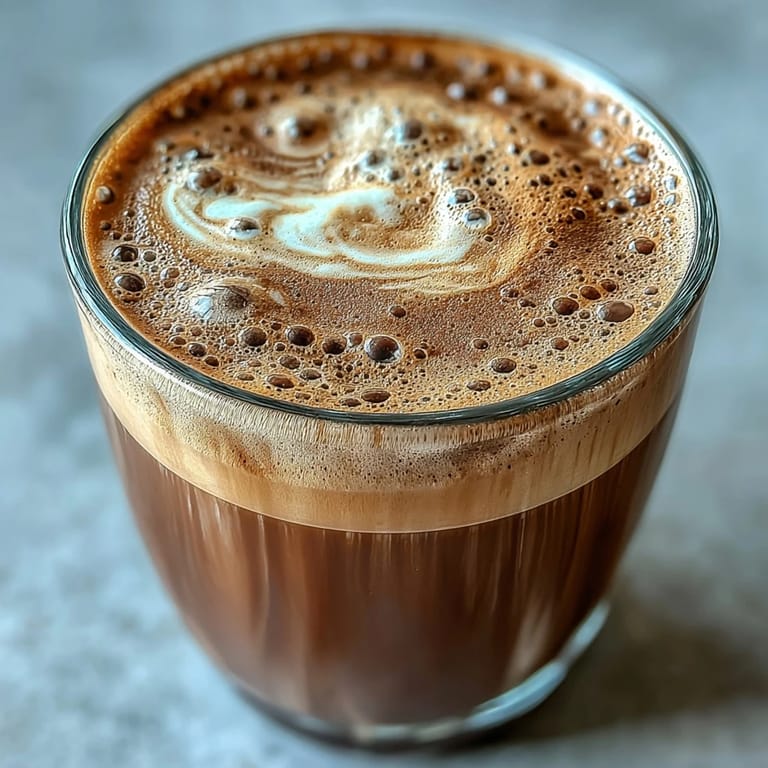
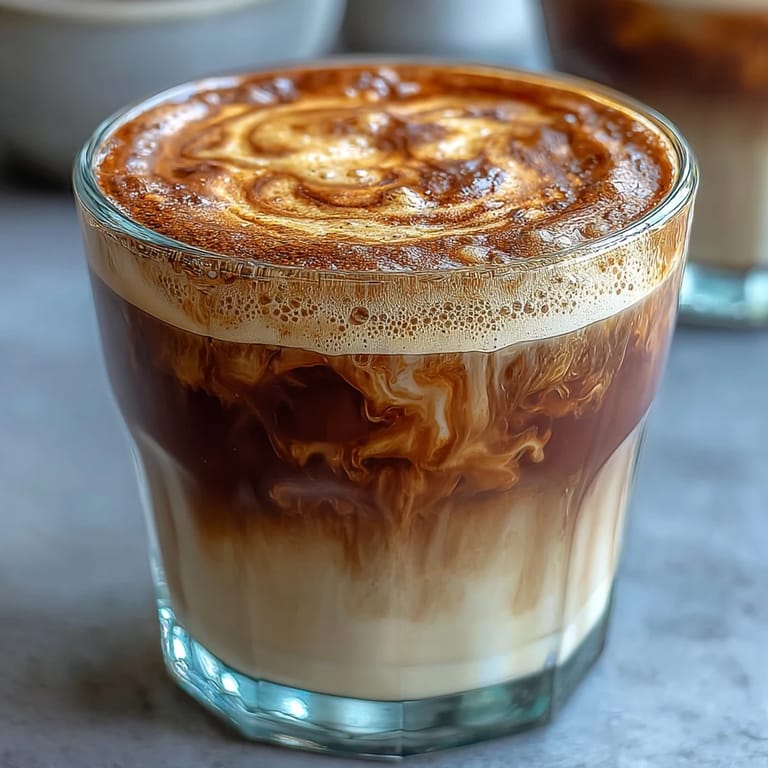
- Hold back the foam with a spoon as you pour the liquid milk over the hojicha, then top it with a generous layer of that creamy microfoam. The whole gesture should feel deliberate, like you're creating something worth pausing for.
- Finish and serve:
- A light dusting of hojicha powder or a whisper of cinnamon on top makes it look as good as it tastes, and then you drink it while it's still hot.
 Save to Pinterest
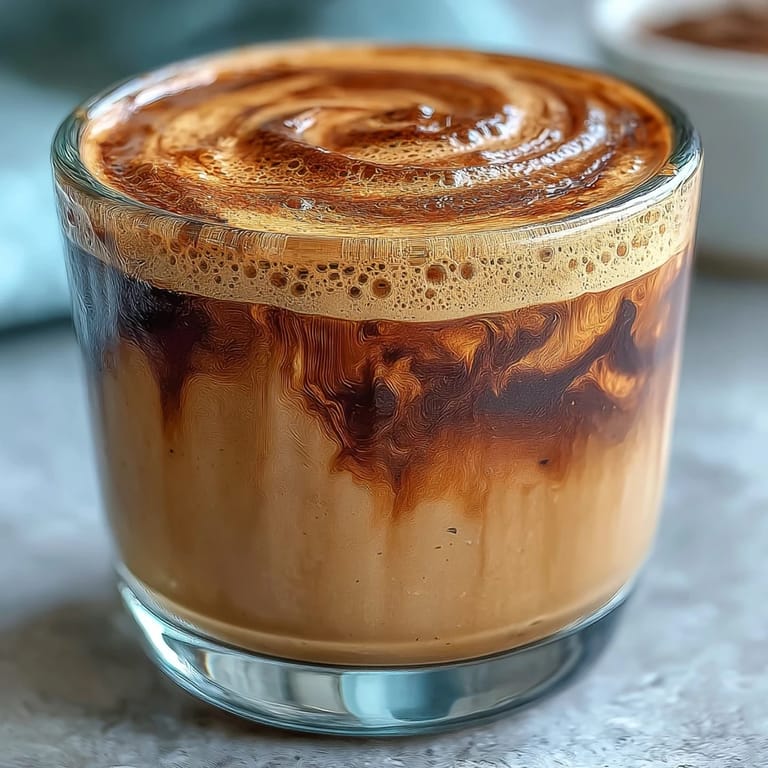
 There's something deeply satisfying about holding a warm cup on a cool morning, watching the layers of hojicha and foam come together. It's become my quiet moment before the day gets loud, and I think that's when this drink reveals its real magic—it's less about the flavor and more about the ritual of making something with care.
Choosing Your Hojicha
Not all hojicha is created equal, and I learned this the hard way after buying a tin that tasted thin and papery. Look for hojicha that smells deep and roasty, almost like toasted nuts or warm caramel—that's a sign the leaves were roasted at the right temperature. Japanese brands tend to be more consistent than others, and loose leaf usually tastes better than bags, though bags work fine if that's what you have on hand.
The Milk Frother Question
You don't actually need an expensive espresso machine to make good microfoam, though if you have access to one, use it. A simple handheld frother does the job beautifully, or you can use the jar-and-shake method, which feels a bit like you're conducting an experiment in your own kitchen. The key is patience and cold milk—warm milk won't froth properly no matter what tool you use.
Variations and Personal Touches
Once you master the basic version, this drink becomes your canvas for experimentation and mood. Try adding a touch of vanilla extract for a softer sweetness, or a pinch of cardamom if you want something more spiced and complex. Some mornings I'll add a splash of maple syrup instead of regular sugar, and on days when I'm feeling particularly indulgent, I'll use the richest oat milk I can find.
- Vanilla and hojicha are natural friends—just a quarter teaspoon transforms the whole drink into something almost dessert-like.
- Cinnamon or cardamom dusted on top adds visual appeal and a gentle spice that complements the roasted tea.
- For a cold version on warmer days, brew your hojicha concentrate the same way but pour it over ice and cold frothed milk for a refreshing twist.
 Save to Pinterest
 This drink has quietly become one of my favorite things to make, and I think it's because it sits in that perfect space between being easy enough for a weekday morning and special enough to feel like a small luxury. Once you make it a few times, your hands will remember the motions, and it becomes less recipe and more ritual.
Recipe FAQs
- → What is hojicha tea?
Hojicha is roasted Japanese green tea made from sun-grown tea leaves and stems. The roasting process gives it a reddish-brown color and distinctive nutty, toasty flavor with lower caffeine content compared to other green teas.
- → Can I make this without a milk frother?
Yes, you can froth milk by shaking it vigorously in a sealed jar for 30-60 seconds, then heating it. Alternatively, heat the milk and whisk it vigorously with a hand whisk or use an immersion blender to create microfoam.
- → What type of milk works best?
Whole milk creates the richest microfoam due to its fat content, but oat milk is an excellent dairy-free alternative that froths well and adds natural sweetness. Almond and soy milk also work, though the texture may vary slightly.
- → How do I adjust the strength?
Steep the hojicha longer or use more tea leaves for a robust, intense flavor. For a lighter taste, reduce steeping time to 2-3 minutes or use fewer leaves. The concentrate can be diluted with more hot water if needed.
- → Is this suitable for people avoiding caffeine?
Hojicha naturally contains less caffeine than other green teas due to the roasting process, making it a gentler option. However, it does contain some caffeine, so those avoiding it completely should consider decaffeinated alternatives.
- → Can I prepare this in advance?
The hojicha concentrate can be brewed ahead and refrigerated for up to 2 days. Reheat gently before frothing fresh milk, as the microfoam texture is best when prepared immediately before serving.