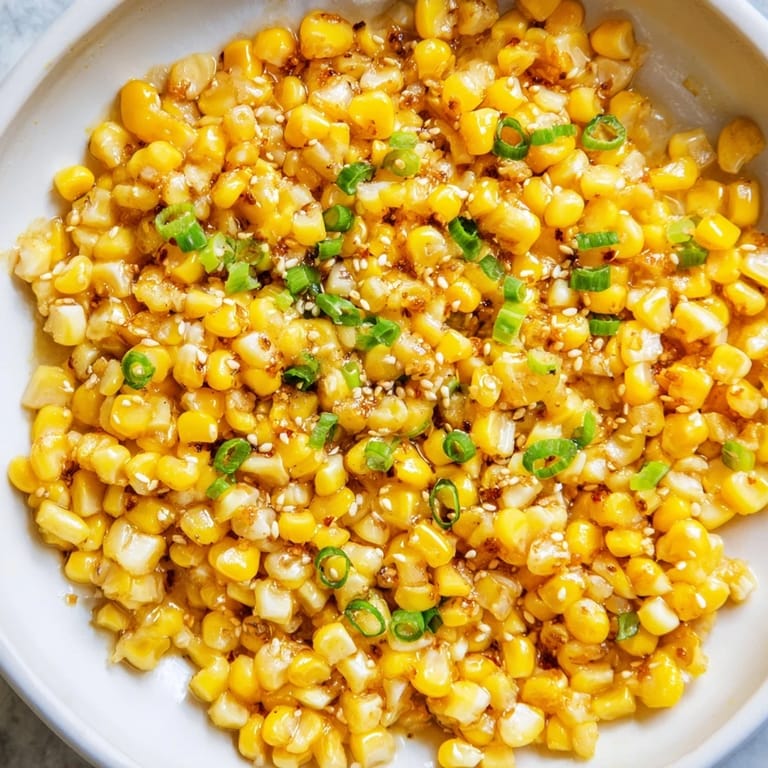
 Save to Pinterest
 I discovered this dish on a humid summer evening when my neighbor brought over fresh corn from her garden and casually mentioned how her family makes it at home in Tokyo. That simple comment stuck with me, and I started experimenting that same night, tossing kernels in sizzling butter and garlic until my kitchen smelled like something between a steakhouse and a street market. The first bite surprised me—so much flavor from so few ingredients, each one doing exactly what it needed to do.
I made this for a dinner party once when someone asked what the side dish was, and I watched their face when I told them it was just corn. The skepticism lasted about two seconds. Now it's become my go-to when I want something that feels special without complicated techniques or a long ingredient list.
Ingredients
- Fresh corn or frozen corn kernels: Fresh corn in peak season is a revelation—sweet and tender—but frozen kernels work beautifully year-round if you thaw them first so they don't release excess water into the pan.
- Unsalted butter: This is where the richness comes from, so don't skimp on quality, and let it get foamy before anything else touches the pan.
- Garlic, finely minced: The size matters here because you want it to dissolve into the butter rather than stay chunky, creating a fragrant base that hugs every kernel.
- Soy sauce: Use the regular kind unless you need gluten-free, and measure carefully because salty regret happens fast if you pour instead of measure.
- Black pepper and sea salt: Fresh pepper makes a noticeable difference, ground just before cooking if you have a mill.
- Scallions and sesame seeds: Optional but they turn this from simple to something that looks intentional on the plate.
Tired of Takeout? 🥡
Get 10 meals you can make faster than delivery arrives. Seriously.
One email. No spam. Unsubscribe anytime.
Instructions
- Prepare your corn:
- If using fresh ears, stand them upright on a cutting board and slice downward with a sharp knife, rotating as you go—this takes maybe two minutes and feels satisfying. If using frozen kernels, make sure they're fully thawed and patted dry so the pan can actually sear them instead of steam them.
- Melt the butter until it foams:
- This takes about a minute over medium heat and you'll hear a gentle sizzle and see the butter turn from pale yellow to frothy. This is the moment to smell for that warm, toasted butter aroma before anything else goes in.
- Toast the garlic briefly:
- Add your minced garlic and stir constantly for about 30 seconds—you want it fragrant and light golden, not brown or bitter. If you blink, you might miss the window, so stay present here.
- Cook the corn until it catches color:
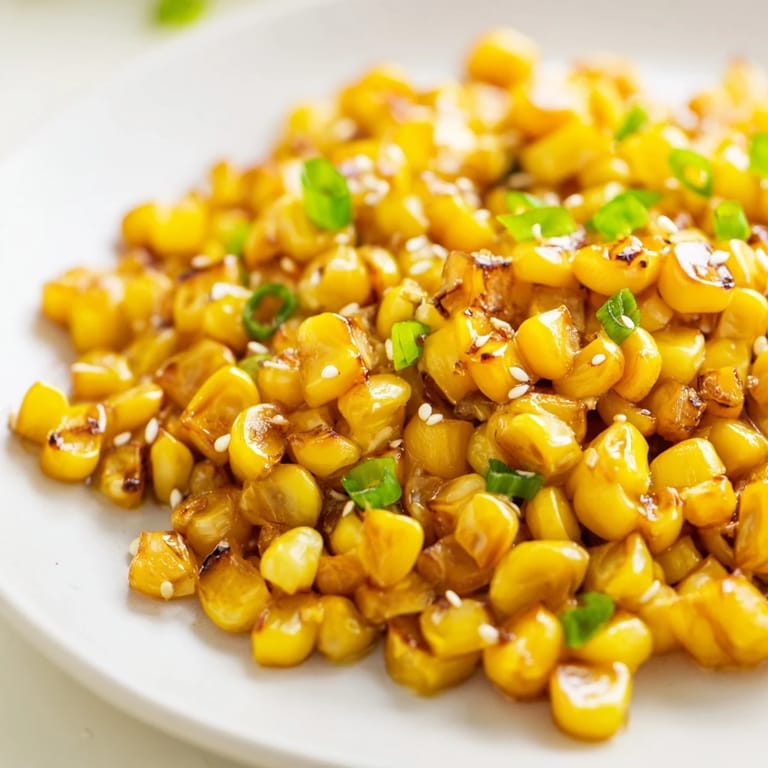
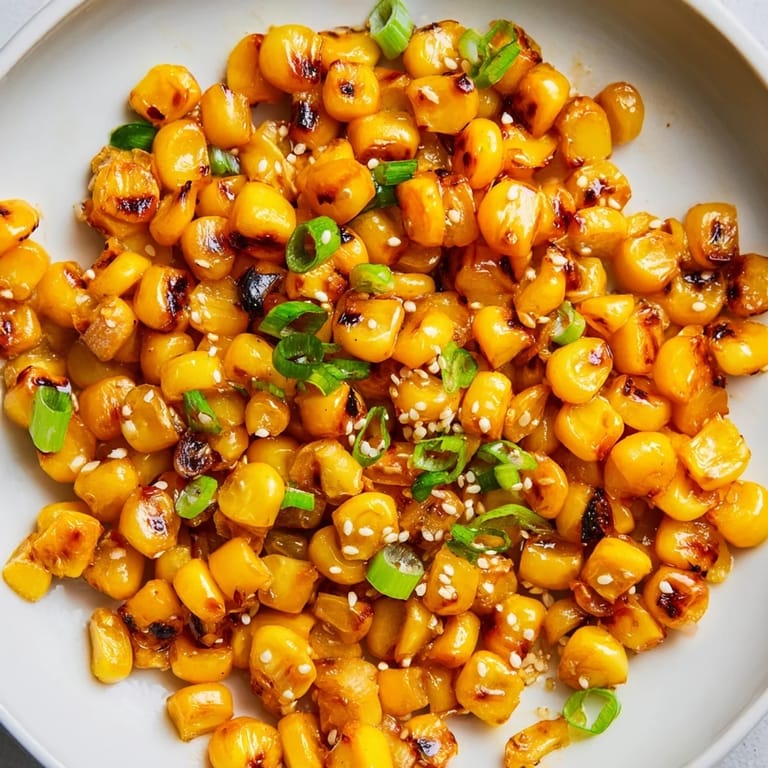
- Pour in all the kernels and stir every 30 seconds or so for about 4 to 5 minutes, letting them toast slightly and absorb the garlicky butter. You're looking for some kernels to develop tiny golden spots where they touched the hot pan.
- Add soy sauce and let it coat:
- Pour it in slowly, stirring as you go, and you'll notice the whole pan suddenly smells like something between a Japanese restaurant and your favorite takeout place. Keep stirring for 1 to 2 minutes until most of the liquid evaporates and the corn looks glossy and clingy with sauce.
- Season and serve:
- Crack fresh pepper over top, taste for salt, and adjust if needed. Transfer to a bowl, scatter on scallions and sesame seeds if you have them, and serve while everything is still hot enough to steam slightly.
 Save to Pinterest
 There was a quiet moment at a family dinner when someone asked for a second helping of this corn, no sauce on the plate, just asking for more. It reminded me that sometimes the simplest things, made with attention and good ingredients, become the thing people remember.
Why Fresh Corn Matters
The quality difference between peak-season corn and out-of-season corn is huge, and I learned this the hard way by making this dish in December with sad supermarket corn. If you can only find mediocre fresh corn, frozen is genuinely your better option—frozen corn is picked and frozen at peak ripeness, while old fresh corn just tastes like a missed opportunity. Late summer to early fall is when corn shines, so plan this dish for that window if you can.
Flavor Variations That Work
I've experimented with tiny additions over time, and some actually improve the dish. A teaspoon of mayonnaise stirred in with the soy sauce adds unexpected creaminess without making it feel heavy, and a small splash of mirin (Japanese sweet rice wine) brings out the natural sweetness of the corn in a way that feels sophisticated but tastes like instinct. Even a whisper of lime zest can shift the whole thing toward something brighter if you're serving it with grilled chicken.
What To Serve It Alongside
This corn is flexible enough to work next to almost anything—it's sweet enough to balance spicy grilled meats, savory enough to sit beside plain white rice without getting lost, and textured enough that it makes ramen feel more substantial when scattered on top. I've also used it as a filling in tacos, a topping for avocado toast, and even mixed into cold noodle salads on days when I wanted something summery but had leftovers to use. It keeps in the fridge for about three days and reheats beautifully in a skillet with a splash of butter.
- Grilled chicken thighs take on an almost restaurant-quality feel when this corn is the side.
- Rice bowls become more interesting when you scatter this corn on top instead of keeping it separate.
- Even humble weeknight stir-fry elevates when this corn is in the mix.
 Save to Pinterest
 This dish has become my answer to the question of how to make dinner feel special without stress. It's proof that sometimes the best food comes from listening to a neighbor and trusting that simplicity, when executed with care, is always enough.
Recipe FAQs
- → Can frozen corn be used instead of fresh?
Yes, thawed frozen corn kernels work well and shorten preparation time without sacrificing flavor.
- → What type of butter is best for this dish?
Unsalted butter allows better control over seasoning, but plant-based butter can be substituted for dairy-free needs.
- → How does soy sauce enhance the flavor?
Soy sauce adds savory umami and saltiness, complementing the sweetness of the corn and richness of the butter.
- → Are there garnish options to try?
Chopped scallions and toasted sesame seeds provide textural contrast and a fresh, nutty note.
- → What cooking tools are needed?
A large skillet, a sharp knife for cutting kernels, and a wooden spoon or spatula for stirring are essential.