 Save to Pinterest
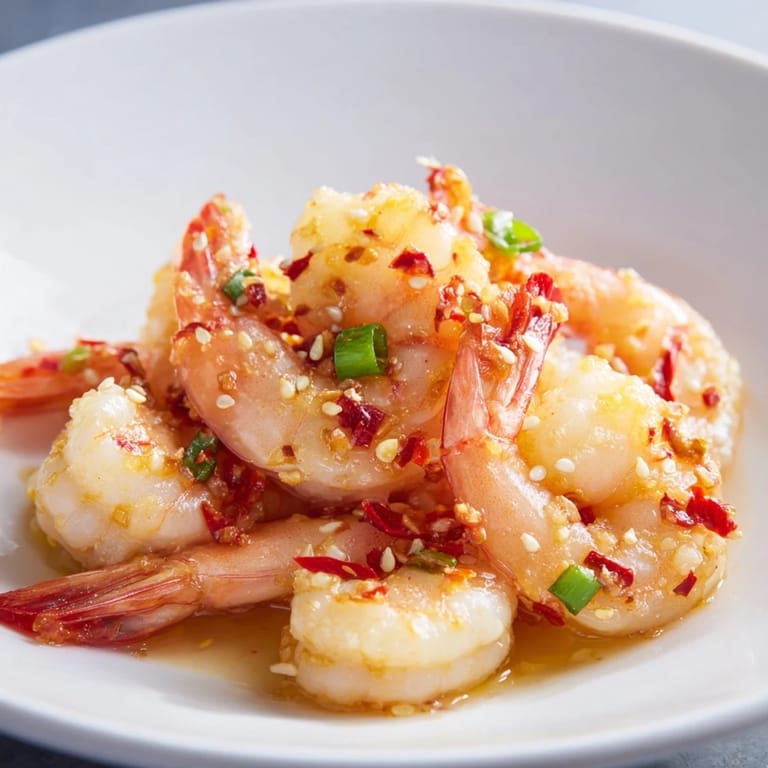
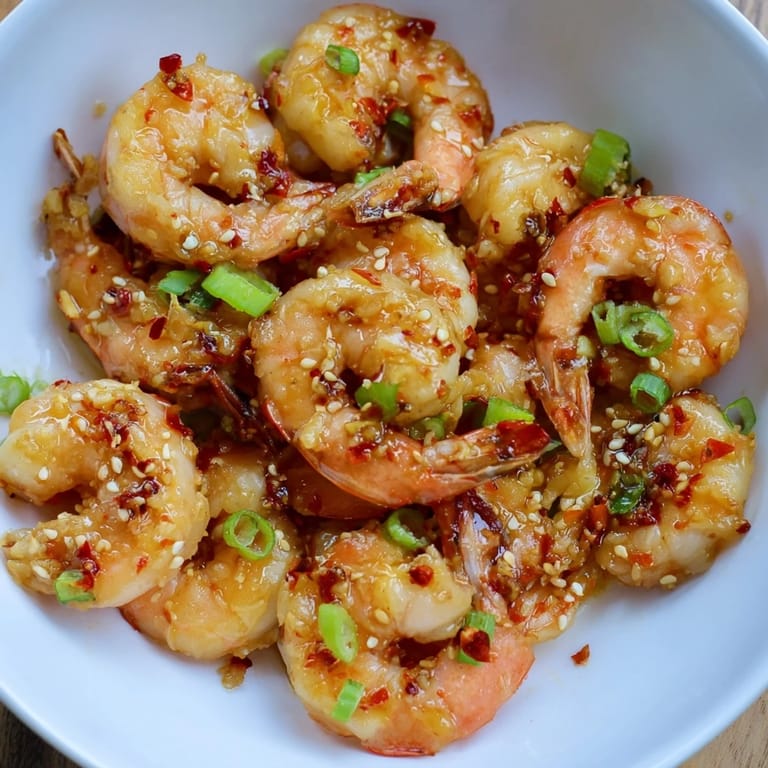
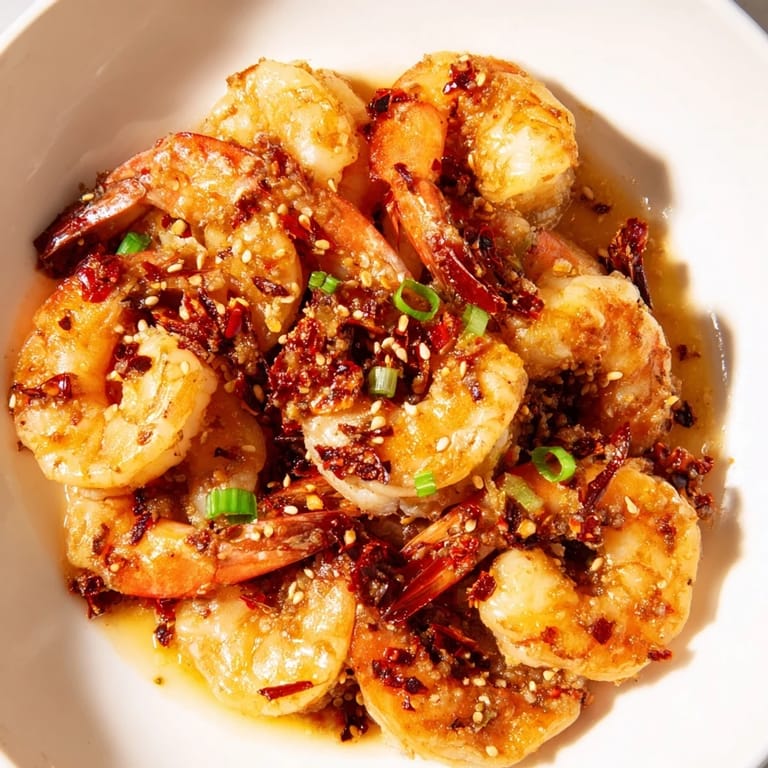
 My friend called me at 6 PM asking if I could whip something up for unexpected dinner guests, and I nearly panicked until I remembered a jar of gochugaru sitting in my pantry. Twenty minutes later, these shrimp were sizzling in butter and garlic, filling my kitchen with that unmistakable Korean spice that made everyone lean in before they even sat down. The butter melts into a glossy sauce that clings to each shrimp, and suddenly you realize how simple can be spectacular.
I served this at a small gathering where someone mentioned they'd been craving Korean food but assumed they'd have to order takeout, and watching their face light up when they tasted the first bite was worth every second of chopping garlic. One guest asked if I'd been trained in Korean cooking, which made me laugh because the whole trick is just letting good butter and a few quality ingredients do the work.
Ingredients
- Large shrimp: Look for ones that are firm and smell like the ocean, not ammonia, and defrost them properly if frozen because rushing this step leads to rubbery results.
- Unsalted butter: You control the salt this way, which matters when soy sauce is already in the mix.
- Garlic: Mince it yourself if you can, because the jar stuff tastes tired compared to fresh cloves that still have a bit of sharpness to them.
- Gochugaru: This Korean chili flake is not the same as regular red pepper flakes, it's fruitier and more complex, so it's worth hunting down online or at an Asian market.
- Soy sauce: Grab the gluten-free version if anyone at your table needs it, and honestly it tastes just as good.
- Honey: Balances the spice and salt with a subtle sweetness that you won't quite put your finger on.
- Sesame oil: Just a teaspoon, toasted sesame oil specifically, because this ingredient is powerful and a little goes a long way.
- Scallions and sesame seeds: These aren't just garnish, they add texture and a final pop of nuttiness that makes people ask for the recipe.
Tired of Takeout? 🥡
Get 10 meals you can make faster than delivery arrives. Seriously.
One email. No spam. Unsubscribe anytime.
Instructions
- Prep your shrimp properly:
- Pat them completely dry with paper towels because moisture is the enemy of a good sear and makes everything steam instead of brown. Set them aside so they're at room temperature when they hit the pan.
- Build your butter base:
- Melt butter over medium heat and listen for that gentle sizzle, not a frantic bubble. You want it melted but not browning, which is the difference between delicious and bitter.
- Toast your garlic:
- Add minced garlic and stir for about a minute until it's fragrant and just starting to turn golden at the edges. This step is about 30 seconds away from ruined, so stay close to the stove.
- Wake up the sauce:
- Stir in the gochugaru, soy sauce, honey, and sesame oil, letting them mingle for just 30 seconds so the flavors start to wake up without the spices burning.
- Cook the shrimp with care:
- Add them in a single layer and resist the urge to move them around for the first 2-3 minutes so they get color on one side, then flip and cook the other side until they're pink and opaque. Overcooked shrimp turns into rubber, so watch the clock.
- Coat everything:
- Toss the shrimp in the sauce for just a moment so each piece gets glossy and coated, then pull the pan off heat.
- Plate and garnish:
- Transfer to a serving platter while everything is still warm, shower with scallions and toasted sesame seeds, and serve with lemon wedges on the side.
 Save to Pinterest
 There's something about the moment when you realize you've made restaurant-quality food in your own kitchen, and everyone's fighting over the last shrimp. That's when you know you've got a dish worth making again and again.
Flavor Building That Actually Works
The magic here isn't in having fancy ingredients, it's in the order they go into the pan. Garlic first wakes up the butter, gochugaru adds the bold backbone, and then soy sauce and honey work together to round out the edges, making it taste complex without being complicated. You're not making Korean food in a traditional sense, you're borrowing bold flavors and making them your own, which is what fusion cooking should always feel like.
Serving Ideas That Actually Taste Good
This works as an elegant appetizer where people stand around grabbing shrimp with toothpicks, or pile it over steamed rice to let the sauce soak in. I've also tossed it with noodles and watched it become something entirely different, still delicious. The flexibility is part of what makes this recipe feel less like a formula and more like a starting point.
What Makes This Dish Different
Unlike standard garlic shrimp that gets a bit dull after a few bites, the gochugaru and sesame oil keep things interesting with layers of flavor that reveal themselves as you eat. The honey doesn't make it sweet, it just rounds the corners and makes you want another bite.
- Make sure your skillet is large enough that the shrimp fit in a single layer, which takes maybe 8 minutes total cooking time.
- If you're nervous about the spice level, start with less gochugaru and add more next time because you can always turn up the heat.
- Leftovers are actually good cold the next day, though honestly there usually aren't any.
 Save to Pinterest
 This is the kind of recipe that proves you don't need hours in the kitchen to feed people something memorable. It's bold, it's fast, and it tastes like you actually know what you're doing.
Recipe FAQs
- → What type of shrimp works best?
Large, peeled and deveined shrimp ensure even cooking and a satisfying bite.
- → How spicy is the dish?
The Korean chili flakes provide a moderate heat that can be adjusted by adding more or less according to taste.
- → Can I substitute ingredients in the sauce?
Honey can be swapped for brown sugar, and gluten-free soy sauce works to accommodate dietary needs.
- → What sides pair well with this dish?
Steamed rice or noodles complement the bold, garlicky shrimp perfectly.
- → How should I store leftovers?
Keep any leftovers refrigerated in an airtight container and consume within 1-2 days for best flavor.
- → Is this suitable for pescatarian diets?
Yes, it features shrimp as the primary protein and no meat, fitting pescatarian preferences.