 Save to Pinterest
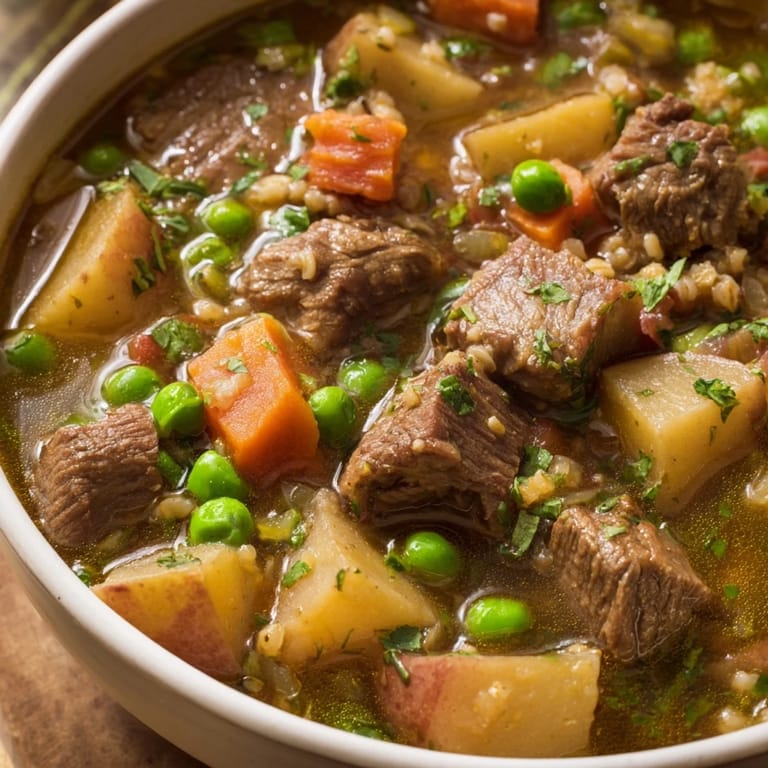
 I stumbled on this soup by accident one Sunday when the pantry looked bare but I still had a bag of barley tucked in the back. The beef was already thawing, and I figured why not throw everything into one pot. Two hours later, the kitchen smelled like a farmhouse in autumn, and I had a bowlful that stuck with me ever since. Sometimes the best recipes arent planned—they just happen when youre willing to trust the process.
The first time I made this for my neighbor, she brought back the empty bowl two days later and asked if I had more frozen. I didnt, but I wrote the recipe down on a napkin right there on the porch. She still makes it every winter, and every winter she texts me a photo of her pot bubbling away. Food has a funny way of traveling between kitchens without ever leaving the neighborhood.
Ingredients
- Beef stew meat: Look for well-marbled chunks so they break down tender and rich after the long simmer, not tough and chewy.
- Olive oil: Just enough to coat the bottom of the pot and give the beef a nice caramelized crust before everything else goes in.
- Onion: A large one adds sweetness as it softens and basically melts into the broth, building the base flavor.
- Carrots: Slice them thick so they hold their shape and give you something hearty to bite into halfway through the bowl.
- Celery: Adds a subtle vegetal note that balances the richness without overpowering the beef.
- Garlic: Three cloves minced fine release their fragrance fast, so add them after the onions or theyll burn.
- Russet potato: Peeled and diced, it breaks down just a little and thickens the broth naturally as it cooks.
- Frozen peas: Toss them in at the end so they stay bright green and pop with sweetness instead of turning musty.
- Diced tomatoes: The juices add acidity that cuts through the heaviness and makes every spoonful feel balanced.
- Pearl barley: Rinse it first to wash away excess starch, then watch it puff up and turn silky as it simmers.
- Beef broth: Use a good quality one or make your own if you have time—it makes all the difference in the final taste.
- Water: Loosens the broth just enough so the soup doesnt get too salty or thick.
- Bay leaves: They add a quiet herbal backbone that you only notice when theyre missing.
- Dried thyme: Earthy and warm, it pairs perfectly with beef and barley without fighting for attention.
- Dried oregano: A hint of Mediterranean flair that rounds out the flavor and keeps things interesting.
- Black pepper: Freshly ground is best, but even pre-ground adds the gentle heat this soup needs.
- Salt: Start with a teaspoon and a half, then taste near the end because the broth may already be salty.
- Fresh parsley: Optional but worth it—chop it last minute and sprinkle on top for color and a fresh finish.
Tired of Takeout? 🥡
Get 10 meals you can make faster than delivery arrives. Seriously.
One email. No spam. Unsubscribe anytime.
Instructions
- Brown the beef:
- Heat the olive oil over medium-high until it shimmers, then add the beef cubes in a single layer and let them sear undisturbed for a couple minutes per side until deeply golden. Pull them out and set aside—they will finish cooking in the broth later.
- Soften the aromatics:
- Toss the onion, carrots, and celery into the same pot and stir them around in the beef drippings for about five minutes until they start to soften and smell sweet. Add the garlic and cook just one more minute, stirring constantly so it doesnt stick or burn.
- Build the base:
- Return the beef to the pot along with the potatoes, tomatoes with all their juices, rinsed barley, bay leaves, thyme, oregano, salt, and pepper. Stir everything together so the spices coat the meat and vegetables evenly.
- Simmer low and slow:
- Pour in the beef broth and water, then bring the whole pot to a rolling boil. Once it bubbles, turn the heat down to low, cover with a lid, and let it simmer gently for about an hour and a half, stirring every twenty minutes or so to keep the barley from sticking to the bottom.
- Finish with peas:
- About ten minutes before youre ready to serve, stir in the frozen peas and let them heat through. Taste the broth and add more salt or pepper if it needs it, then fish out the bay leaves and discard them.
- Serve hot:
- Ladle the soup into wide bowls, sprinkle fresh parsley over the top if you have it, and serve with crusty bread on the side for dipping.
 Save to Pinterest
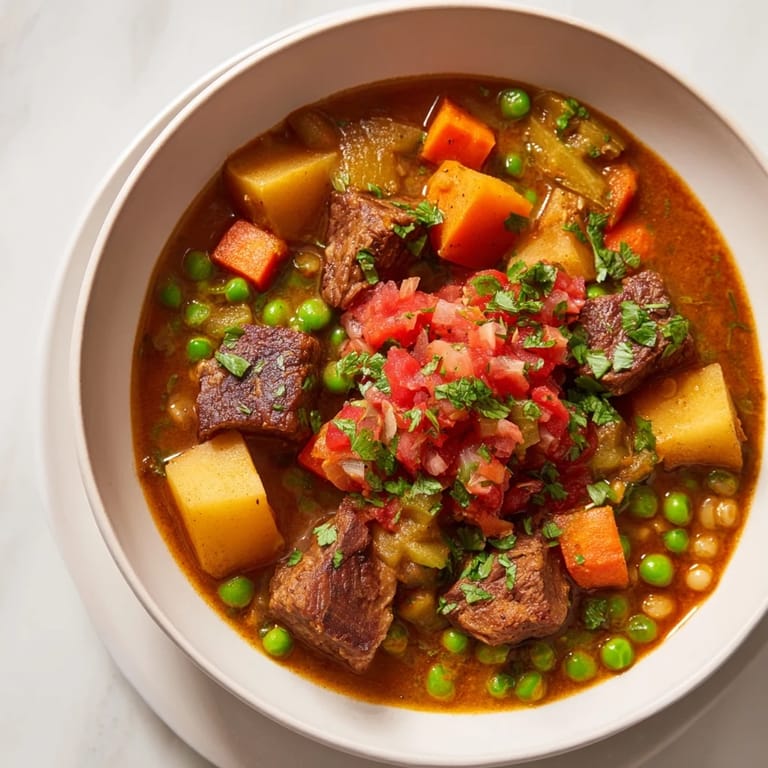
 One cold March evening, I ladled this soup into mismatched bowls for a group of friends who showed up unannounced after a long hike. Nobody said much at first—they were too busy eating—but eventually someone said it tasted like coming home. I think about that compliment every time I make it now, because thats exactly what a good bowl of soup should feel like.
How to Store and Reheat
Let the soup cool completely before transferring it to airtight containers, then refrigerate for up to three days. The barley will soak up more broth as it sits, so when you reheat it on the stove, add a splash of water or broth to loosen it back up. You can also freeze individual portions in freezer-safe containers for up to two months—just thaw overnight in the fridge and warm gently over medium heat.
Flavor Variations to Try
If you want a little smokiness, stir in a spoonful of tomato paste along with the garlic, or add a splash of Worcestershire sauce before the simmer. For a lighter version, swap the beef for chicken thighs and use chicken broth instead. You can also toss in a handful of chopped kale or spinach during the last few minutes for extra greens without changing the character of the soup.
What to Serve Alongside
This soup is hearty enough to stand on its own, but it loves company. A thick slice of sourdough or a warm baguette is perfect for soaking up the broth. A simple green salad with lemon vinaigrette cuts through the richness, and if youre feeding a crowd, consider setting out a little dish of grated Parmesan for people to sprinkle on top.
- Crusty bread or garlic toast for dipping and soaking up every last drop.
- A crisp side salad with arugula, shaved fennel, and a bright citrus dressing.
- Pickles or cornichons on the side for a tangy contrast that wakes up your palate between spoonfuls.
 Save to Pinterest
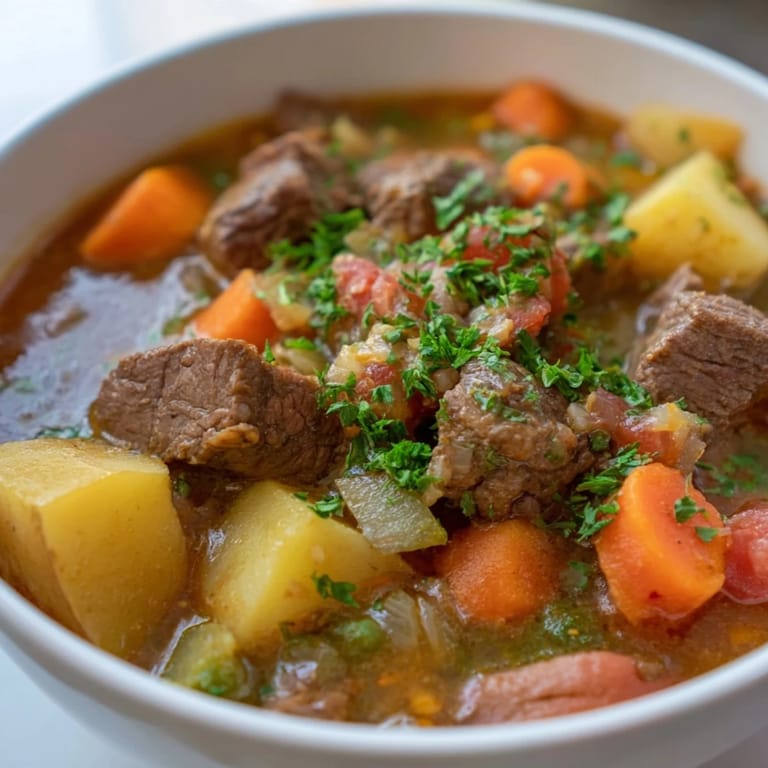
 This soup has pulled me through more cold nights than I can count, and it never gets old. I hope it does the same for you.
Recipe FAQs
- → What cut of beef works best?
Beef stew meat, cut into cubes, is preferred for tender results after slow simmering.
- → Can barley be substituted?
Yes, brown rice or quinoa can replace barley for those seeking gluten-free alternatives.
- → How long should the soup simmer?
Simmer the soup covered on low heat for about 1 ½ hours until beef is tender and barley is cooked through.
- → When are frozen peas added?
Add frozen peas during the last 10 minutes of cooking to maintain their color and texture.
- → What herbs enhance the flavor?
Bay leaves, dried thyme, and oregano bring aromatic depth and complement the savory broth.
- → Is this dish suitable for meal prep?
Yes, leftovers keep well refrigerated up to 3 days or can be frozen for longer storage.