 Save to Pinterest
 My first encounter with Pasta alla Norma wasn't in Sicily, but in a cramped apartment kitchen in Rome, where my friend Marco's mother had left us a handwritten note with vague instructions and a knowing smile. The eggplant was supposed to be roasted until it turned golden and almost melted into itself, she'd written, and I remember standing there wondering if I was overcooking it. That night, tossing warm pasta with that silky eggplant and the bright tomato sauce, sprinkling that salty, sharp ricotta salata on top—I understood why this humble dish had traveled generations and borders. It's the kind of food that tastes like someone made it specifically for you.
I made this for my partner on a random Tuesday when we'd both had exhausting days, and I watched their face light up as they took that first bite—not because it was fancy, but because it was real and comforting and made with olive oil and attention. That moment taught me that simple food, done with care, is exactly what people need sometimes.
Ingredients
- Large eggplant (about 400 g), cut into 2 cm cubes: Cut them uniform in size so they roast evenly; too small and they'll dry out, too large and the insides stay soft while the edges burn.
- Garlic cloves (2), finely chopped: Mince these by hand rather than a processor—you want little pieces that soften into the oil, not a paste.
- Medium onion, finely chopped: The foundation of your sauce; patience here means a sweeter, deeper base.
- Fresh basil, one small bunch with leaves picked: Save half for the end of cooking when it'll brighten everything with its raw, peppery freshness.
- Rigatoni or penne pasta (400 g): The tubes catch sauce beautifully; avoid thin spaghetti which won't hold the eggplant and tomatoes as well.
- Canned whole peeled tomatoes (800 g) or passata: Whole tomatoes give you the option to crush them yourself, which feels more intentional and gives you better texture control.
- Extra-virgin olive oil (3 tbsp total): Don't skimp here; this is Sicilian cooking, and the oil is half the soul of the dish.
- Dried chili flakes (1/2 tsp, optional): A tiny whisper of heat that makes everything taste more alive without overwhelming the delicate eggplant.
- Salt and freshly ground black pepper: Taste as you go; the ricotta salata is salty, so season the sauce thoughtfully.
- Ricotta salata (80 g), grated or crumbled: If you can't find it, Pecorino Romano works in a pinch, though it's sharper and less creamy.
Tired of Takeout? 🥡
Get 10 meals you can make faster than delivery arrives. Seriously.
One email. No spam. Unsubscribe anytime.
Instructions
- Get your oven ready:
- Preheat to 220°C (430°F) so it's hot and waiting when your eggplant is ready. A truly hot oven is the secret to getting those caramelized edges.
- Prepare and roast the eggplant:
- Toss your cubed eggplant with 2 tablespoons of olive oil and a pinch of salt, then spread them on a baking tray in a single layer. Roast for 25–30 minutes, giving them a gentle stir halfway through, until they're golden, slightly collapsed, and tender enough to cut with a wooden spoon. You'll know they're done when the edges turn a deeper brown and the insides look creamy.
- Build your sauce base:
- While the eggplant roasts, heat 1 tablespoon of olive oil in a large skillet over medium heat. Add your chopped onion and let it soften for about 5 minutes, stirring occasionally, until it's translucent and sweet-smelling. Then add the minced garlic and chili flakes (if using) and cook for just 1 minute—you want the garlic fragrant but not brown.
- Add the tomatoes:
- Crush the canned tomatoes by hand or with the back of a spoon (don't use a blender; you want some texture), then pour them into the skillet with all their juices. Season generously with salt and pepper, then let this simmer uncovered for 15–20 minutes, stirring occasionally. The sauce should thicken and deepen in color, and the raw tomato taste will soften into something round and complete.
- Cook your pasta:
- Bring a large pot of salted water to a rolling boil—the water should taste like the sea. Add your pasta and cook according to the package instructions until al dente, with just a tiny bit of resistance when you bite it. Before draining, reserve at least 1/2 cup of the starchy pasta water; this is your secret weapon for silky texture.
- Bring everything together:
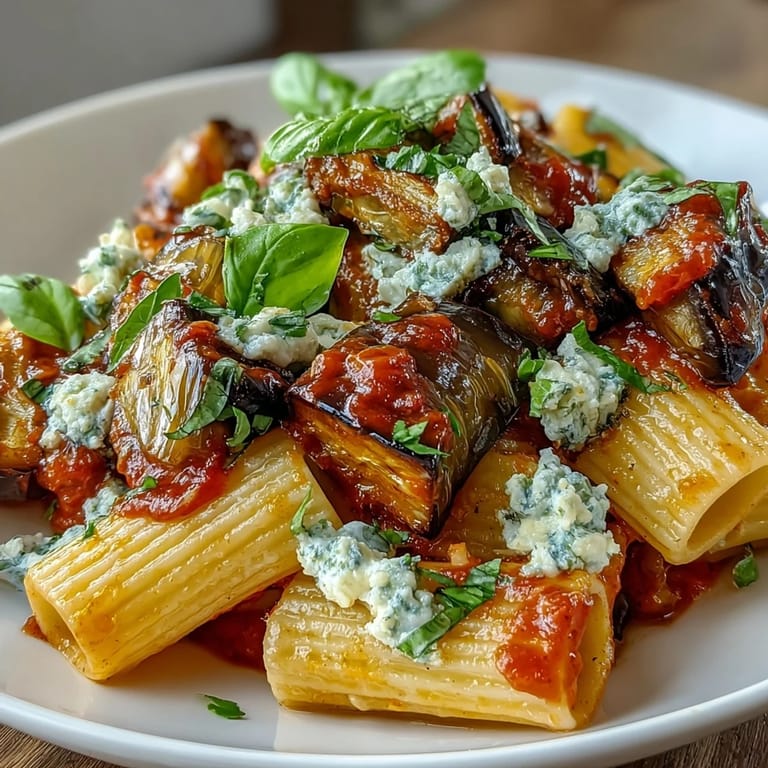
- Add the golden roasted eggplant and most of your fresh basil to the tomato sauce, stirring gently to combine. Let it all simmer together for 2 more minutes so the eggplant warmth merges with the sauce.
- Toss and taste:
- Add the drained pasta to the skillet and toss everything together, adding reserved pasta water a splash at a time until the sauce coats the pasta in a silky, not-too-thick layer. Taste and adjust seasoning one last time.
- Serve with pride:
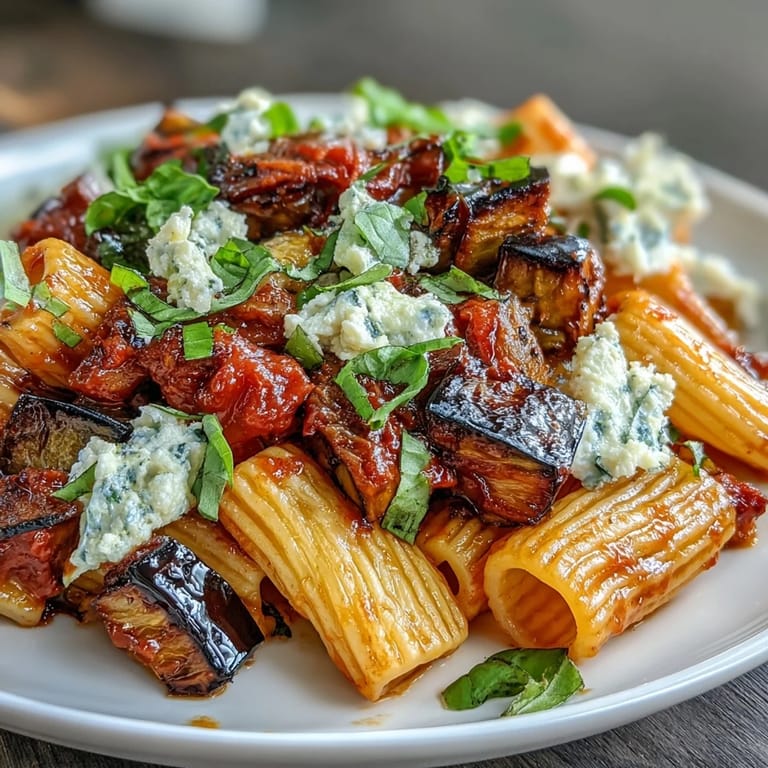
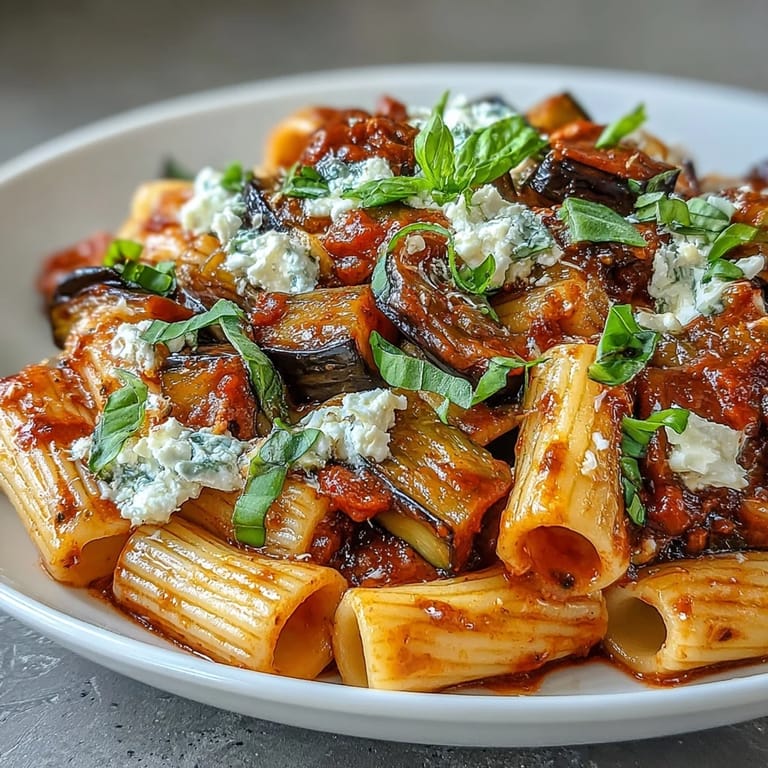
- Divide into bowls and top generously with grated or crumbled ricotta salata and the remaining fresh basil leaves. The heat of the pasta will slightly soften the cheese while keeping its salty bite.
 Save to Pinterest
 There's something about standing at the stove, watching the eggplant emerge from the oven all blistered and golden, that feels like small kitchen magic. This dish became proof to me that the most memorable meals don't require fancy techniques or rare ingredients, just attention and good olive oil.
Why Eggplant Transforms When It Roasts
The first time I roasted eggplant instead of frying it, I was surprised by how much less oil it absorbed and how much more delicate the texture became. Roasting at high heat creates those caramelized edges while the insides turn almost creamy, and you get this deep, almost nutty sweetness that fresh eggplant doesn't have. It's the difference between eggplant being an afterthought and eggplant being the star.
The Magic of Pasta Water
I learned this from watching an Italian grandmother cook, and it changed everything: that starchy water is basically edible gold in a pot. A splash or two of it as you toss your pasta with sauce creates this silky emulsion that makes even simple tomato sauce taste like you've spent hours perfecting it. The starch acts like a natural binder, bringing the pasta and sauce together into one cohesive bite instead of pasta swimming in liquid.
Timing and Temperature
The thing about this dish is that every component benefits from proper heat: the eggplant needs a hot oven, the sauce needs time to mellow and thicken, and the pasta water needs to be at a rolling boil so your pasta cooks evenly. Rushing any of these steps shows, while honoring the timing gives you something that tastes intentional and alive.
- Set a timer for the eggplant so you don't forget about it; the difference between perfect and slightly overdone is about 5 minutes.
- Taste the sauce as it simmers and adjust seasoning in stages rather than all at once—you'll develop a better sense of balance.
- Have your serving bowls warming on top of the stove so the pasta stays hot from bowl to table.
 Save to Pinterest
 This is the kind of dish that sits in your memory long after dinner is finished, and you'll find yourself making it again on random weeknights when you need something that feels both easy and like real cooking. That's when you know a recipe has become part of your kitchen life.
Recipe FAQs
- → What makes Pasta Alla Norma authentic?
Authentic Pasta Alla Norma features roasted eggplant, tomato sauce, and ricotta salata—a salted, pressed sheep's milk cheese traditional to Sicily. The dish originates from Catania and celebrates the region's signature vegetables.
- → Can I substitute ricotta salata?
Yes, Pecorino Romano works well as a sharper alternative, or feta for a tangier finish. For a vegan version, simply omit the cheese or use a plant-based crumble.
- → Should I salt the eggplant before cooking?
Salting isn't strictly necessary for this dish since the eggplant is roasted, which concentrates its natural sweetness. However, salting for 30 minutes before roasting can remove bitterness if desired.
- → What pasta shape works best?
Rigatoni or penne are ideal as their ridges and hollows capture the sauce beautifully. Fusilli or maccheroni also work well. Short, sturdy shapes tend to hold up better than long strands with the chunky vegetable sauce.
- → Can I make this ahead?
The roasted eggplant and tomato sauce can be prepared up to 2 days in advance and refrigerated. Reheat gently before tossing with freshly cooked pasta for the best texture.
- → How do I prevent the eggplant from absorbing too much oil?
Roasting rather than frying uses less oil naturally. Toss cubes with 2 tablespoons oil and roast at high heat—the eggplant becomes tender without greasiness.