 Save to Pinterest
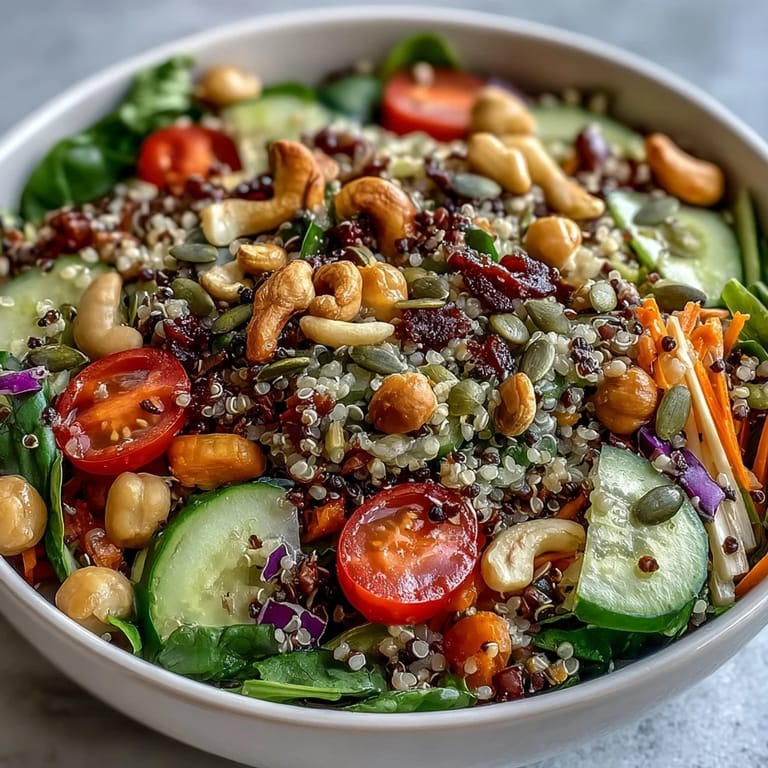
 I discovered the magic of the rainbow salad bowl on a Tuesday afternoon when my fridge was overflowing with vegetables I'd bought with good intentions but never quite used. Instead of letting them wilt, I chopped everything up, threw it together with some leftover quinoa, and topped it with a quick lemon dressing. What surprised me most wasn't just how beautiful it looked, but how satisfying it felt to eat something so colorful and alive. That one bowl became my answer to the question I ask myself almost daily: what's for lunch?
My partner used to skip lunch entirely until I started bringing these bowls to work. One day he actually said, "I'm looking forward to eating," which felt like winning the lottery. Now when friends come over, they ask me to make it, and I love how it forces everyone to slow down and appreciate what's on their plate. There's something about all those colors that makes people eat more thoughtfully.
Ingredients
- Quinoa or brown rice: Your grain base should be cooked and completely cooled so it doesn't wilt the softer vegetables, and honestly, day-old grain tastes even better because it's firmer.
- Cherry tomatoes: Halving them instead of leaving them whole prevents the bowl from getting soggy and lets the sweetness shine without overwhelming the other flavors.
- Purple cabbage: This is my secret weapon for keeping the salad crisp for days, plus it adds that gorgeous jewel tone that makes everything else pop visually.
- Carrots: Shredded fine enough that they're silky but with enough texture to add a gentle crunch that complements the beans.
- Yellow bell pepper: The brightness here is essential, both to your eyes and your palate, offering a subtle sweetness that balances the earthiness of the grains and beans.
- Baby spinach: Tender enough that you don't need to cook it, yet sturdy enough to hold its own against heartier vegetables for at least a day in the fridge.
- Cucumber: Sliced thin and added just before serving or kept separate prevents it from turning the whole bowl into a watery mess.
- Chickpeas and black beans: Rinsing them thoroughly removes excess sodium and starch, which makes them lighter and less likely to make the dressing separate.
- Roasted nuts and seeds: These are non-negotiable for texture, and toasting them yourself if they're raw will make you question why you ever bought pre-roasted versions again.
- Extra-virgin olive oil: Don't cheap out here; this is tasted directly, and a good oil transforms a simple dressing into something you crave.
- Lemon juice: Fresh squeezed is worth the five minutes it takes, as bottled juice brings a slightly plasticky note that dulls the entire composition.
- Maple syrup or honey: Just a touch rounds out the dressing and prevents it from tasting aggressively acidic, making the whole bowl feel balanced and intentional.
- Dijon mustard: This acts as an emulsifier so the oil and acid actually cling to the vegetables instead of pooling at the bottom of the bowl.
- Garlic: Minced fine so it distributes evenly, one clove is plenty unless you're the type who has strong opinions about garlic, in which case do what makes you happy.
- Fresh parsley or cilantro: A handful scattered on top at the last second adds freshness and reminds you that salad can be vibrant and exciting, not just virtuous.
Tired of Takeout? 🥡
Get 10 meals you can make faster than delivery arrives. Seriously.
One email. No spam. Unsubscribe anytime.
Instructions
- Cook your grain and let it breathe:
- Prepare quinoa or brown rice according to package directions, then spread it on a plate or shallow bowl to cool completely. This step takes patience, but room-temperature or chilled grain is crucial because hot grain will wilt everything it touches and turn your salad into mush.
- Prepare each vegetable with intention:
- Wash and dry everything thoroughly, then cut with care: halve the tomatoes, shred the cabbage and carrots, dice the pepper, slice the cucumber, and keep the spinach whole. Think of this as creating different textures and shapes that will make each bite interesting rather than monotonous.
- Build your base:
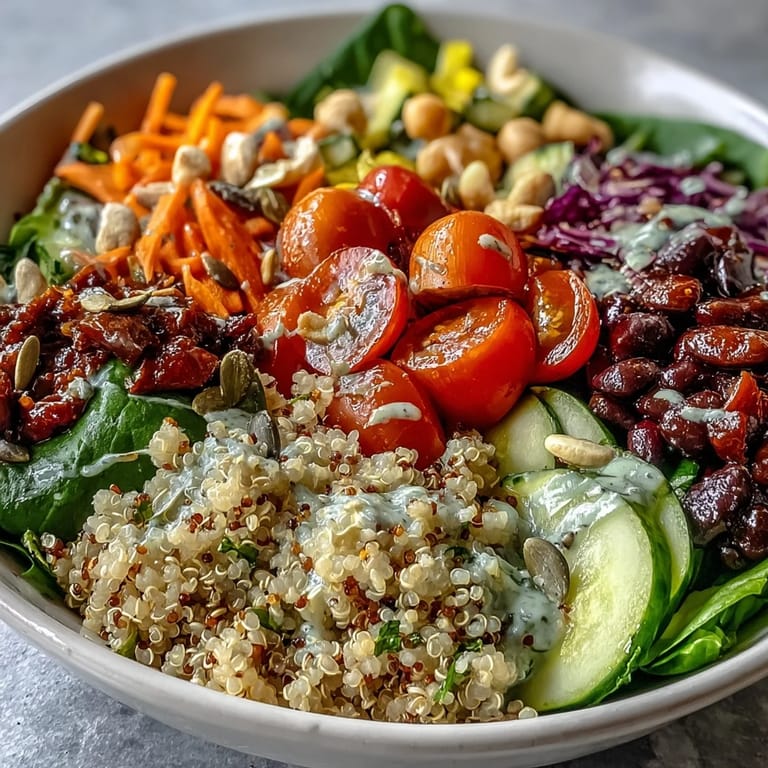
- In a large salad bowl or on a platter, arrange the cooled grain as your foundation, then scatter the vegetables in sections so they create a natural rainbow. This step is purely visual, but it matters because you eat with your eyes first, and a bowl arranged with care tastes different than one that's been stirred together.
- Distribute protein and crunch:
- Scatter the drained chickpeas and black beans evenly across the vegetables, then sprinkle the chopped nuts and seeds over the top. The distribution here prevents pockets of beaniness or nut-heaviness, ensuring every forkful feels complete.
- Make the dressing with presence:
- In a small bowl, whisk together olive oil, lemon juice, maple syrup, mustard, and minced garlic until it looks creamy and cohesive, then season boldly with salt and pepper. Tasting as you go ensures the dressing tastes like it's alive, not like you're just following orders.
- Finish with grace:
- Just before serving, drizzle the dressing over the salad and either toss gently with tongs to coat everything, or serve it on the side so guests can dress their own bowl. Either approach is perfect, depending on whether you're feeding yourself or other people with different opinions about how much dressing is enough.
- Garnish like you mean it:
- Sprinkle the chopped fresh herbs over the top in a way that shows it's intentional, not an afterthought. That final handful of green makes the whole thing feel finished and reminds everyone that flavor and beauty are the same thing.
 Save to Pinterest
 Last summer, I made this for a picnic in the park and watched someone who always orders pizza take a second helping. That moment taught me that the way food is presented and the care that goes into assembling it can genuinely shift how people experience eating. It's not pretentious to arrange your salad with intention.
Why This Works as a Complete Meal
The genius of this bowl is that it combines all four nutritional pillars in one place: complex carbohydrates from the grains, fiber and protein from the beans, healthy fats from the nuts and seeds, and vitamins and minerals from the vegetables. This isn't just salad theater; it's actually substantial enough to be lunch or dinner without needing anything else alongside it. You won't feel depleted two hours later, which changes everything about how you think about eating vegetables.
The Art of Customization
The beauty of calling this a rainbow salad bowl is that it's less a recipe and more a philosophy. You can substitute almost everything based on what's available, what you're craving, or what's calling to you from the farmers market. Farro instead of quinoa? Absolutely. Brussels sprouts shaved thin instead of cabbage? Yes. Roasted sweet potato for extra warmth and sweetness? Do it.
Storage and Make-Ahead Wisdom
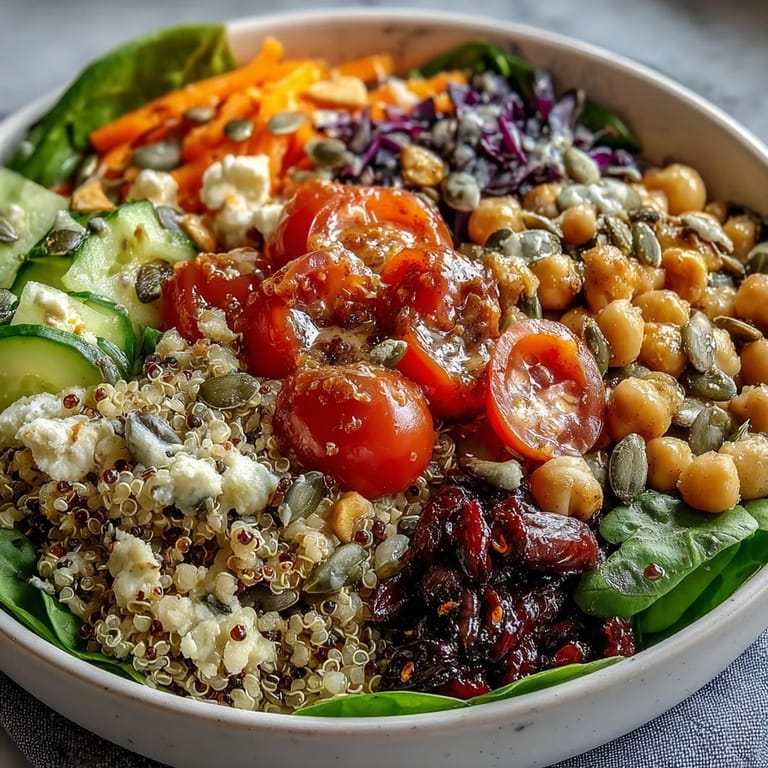
This salad is one of the rare dishes that actually gets better when you make it a day or two in advance, because the flavors settle into each other and everything melds. The caveat is keeping the dressing separate until serving time, and storing the cucumber slices in their own container so they don't turn the whole bowl into a watery situation. I often prepare everything on Sunday and assemble throughout the week, which transforms lunch from a decision into just a grab-and-go comfort.
- Layer the components in a clear container with grain on the bottom, sturdier vegetables in the middle, and delicate ones on top so nothing gets crushed.
- Keep nuts and seeds in a separate small container to maintain their crunch and prevent them from absorbing moisture.
- The dressing lasts about a week in a mason jar, so make extra and use it on other salads or roasted vegetables.
 Save to Pinterest
 This bowl has become my answer to wanting something nourishing without the weight, something colorful without being fussy, and something you can make ahead or throw together fresh depending on your mood. It's the kind of meal that disappears from your plate and leaves you feeling good, not stuffed.
Recipe FAQs
- → Can I make this rainbow salad bowl ahead of time?
Yes, prepare the grains and chop vegetables up to 24 hours in advance. Store components separately in airtight containers and toss with dressing just before serving to maintain optimal texture and freshness.
- → What other grains work well in this bowl?
Brown rice, farro, bulgur, millet, or wheat berries all make excellent substitutes for quinoa. Cook according to package directions and cool completely before assembling to prevent wilting the fresh vegetables.
- → How can I add more protein to this salad?
Grilled tofu, tempeh, roasted chicken breast, or hard-boiled eggs pair beautifully. For vegetarian options, increase the beans, add hemp hearts, or sprinkle nutritional yeast over the top for extra protein and B vitamins.
- → Will the dressing make the salad soggy if stored?
Yes, dressed salad becomes soggy within hours. Store dressing separately in a small jar and drizzle over individual portions. The lemon-based vinaigrette stays fresh in the refrigerator for up to one week.
- → Can I use frozen vegetables instead of fresh?
Fresh vegetables provide the best crunch and visual appeal, but frozen corn, peas, or edamame work if thawed and drained well. Avoid frozen soft vegetables like peppers or cucumbers as they become mushy when thawed.
- → Is this salad bowl gluten-free?
Yes, when using quinoa or certified gluten-free grains. Always check labels on canned beans and condiments to ensure no hidden gluten-containing ingredients. The dressing naturally contains no gluten.