 Save to Pinterest
 The kitchen smelled like butter and something sweet when I pulled those foil-wrapped garlic bulbs from the oven. I'd never roasted garlic before that rainy Wednesday, and honestly wasn't sure what to expect. When I squeezed one bulb and watched golden, jammy cloves slide out, I knew this pasta was going to be different. The cream sauce came together so fast I almost didn't trust it, but one taste told me everything I needed to know. Sometimes the simplest techniques create the deepest flavors.
I made this for my sister the night she got back from a long trip, and she sat at the counter watching me mash the roasted garlic into paste. She said it smelled like the kind of restaurant we could never afford in college. When she twirled that first forkful and closed her eyes, I didn't need her to say anything. We ate in comfortable silence, scraping our plates clean, and she asked for the recipe before she even left. That's when I knew this one was a keeper.
Ingredients
- Whole garlic bulbs: Roasting mellows garlic completely, turning it sweet and spreadable, and you'll want every soft clove for that deep flavor.
- Olive oil: Just a drizzle keeps the garlic from drying out in the oven and helps those cloves caramelize beautifully.
- Fettuccine or spaghetti: The flat or round shape holds onto cream sauce perfectly, and the starchy pasta water becomes your secret weapon for a silky finish.
- Unsalted butter: Gives you control over the salt level and adds a richness that olive oil alone can't match.
- Shallot: Softer and slightly sweeter than onion, it melts into the background while adding a gentle aromatic base.
- Heavy cream: This is what makes the sauce luscious and cling to every strand of pasta.
- Milk: Thins the cream just enough so the sauce doesn't feel heavy, keeping it smooth and pourable.
- Parmesan cheese: Freshly grated melts into the sauce without clumping, adding nutty saltiness that ties everything together.
- Black pepper and salt: Seasoning at the end lets you taste and adjust, because the cheese and pasta water also bring salt.
- Nutmeg: Optional but magical, a tiny pinch adds warmth without announcing itself.
- Fresh parsley: A handful of green at the end makes the dish feel alive and balances all that richness.
Tired of Takeout? 🥡
Get 10 meals you can make faster than delivery arrives. Seriously.
One email. No spam. Unsubscribe anytime.
Instructions
- Roast the garlic:
- Preheat your oven to 200°C (400°F), slice the tops off two garlic bulbs to expose the cloves, drizzle with olive oil, wrap snugly in foil, and roast for 35 to 40 minutes until the cloves are soft, golden, and smell like heaven. Let them cool enough to handle, then squeeze out the jammy cloves.
- Cook the pasta:
- Bring a large pot of well-salted water to a rolling boil, add your pasta, and cook until al dente following the package timing. Before draining, scoop out half a cup of that starchy pasta water and set it aside.
- Sauté the shallot:
- Melt butter in a large skillet over medium heat, add the finely chopped shallot, and cook for about 2 minutes until it's soft and translucent. The butter should smell nutty but not brown.
- Add the roasted garlic:
- Mash those roasted garlic cloves into a rough paste with a fork, add them to the skillet, and stir for about a minute until the aroma fills your kitchen. You'll know it's ready when the garlic smells sweet and toasty.
- Make the cream sauce:
- Pour in the cream and milk, whisking gently to combine, then bring it to a gentle simmer and let it cook for 3 to 4 minutes until it thickens just slightly. Don't let it boil hard or the cream might break.
- Finish the sauce:
- Stir in the Parmesan, salt, pepper, and a pinch of nutmeg if you're using it, then simmer gently until the cheese melts and the sauce turns velvety. Taste it now and adjust the seasoning.
- Toss the pasta:
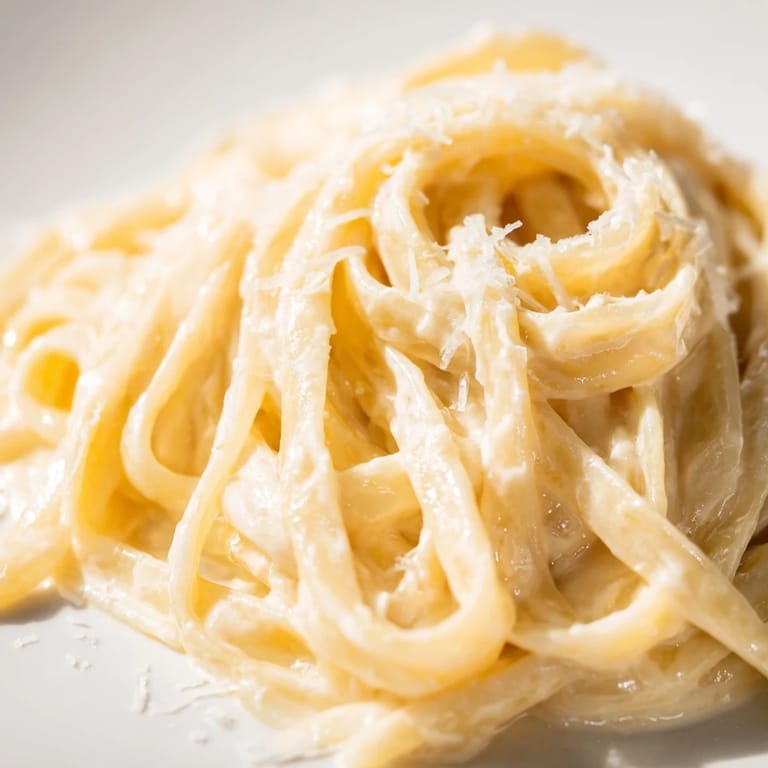
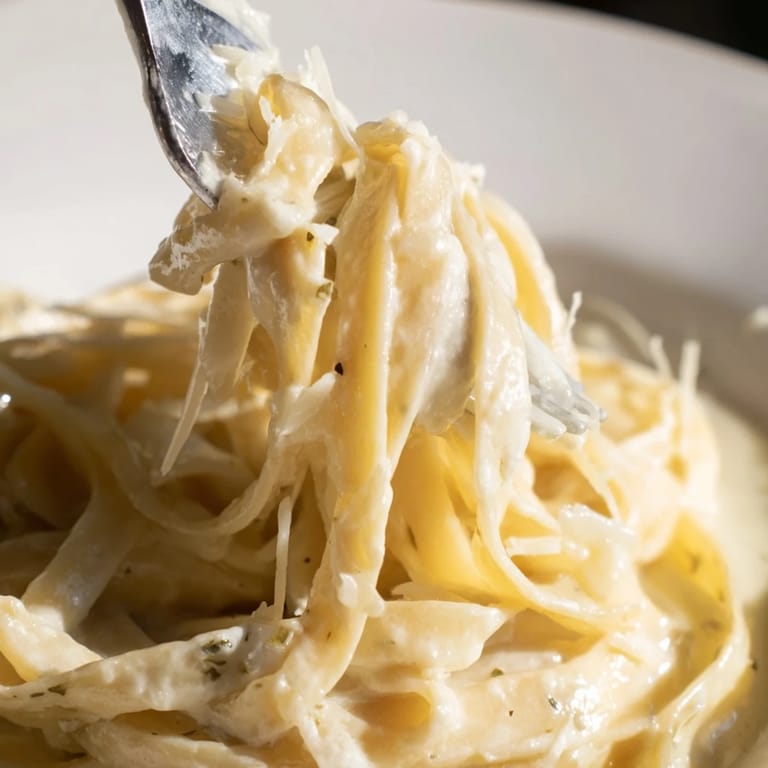
- Add the drained pasta directly to the sauce, tossing and stirring to coat every strand, then add splashes of reserved pasta water until the sauce clings beautifully without being thick or gloppy. The starch in that water works magic.
- Serve:
- Plate the pasta immediately while it's hot, and finish with extra Parmesan and a sprinkle of parsley if you have it. This dish is best enjoyed right away, twirled onto forks while the sauce is still glossy.
 Save to Pinterest
 My neighbor once knocked on the door just as I was plating this, and I offered her a bowl without thinking. She stood in my doorway, twirling pasta on a fork, and told me she'd forgotten what it felt like to taste something that made her slow down. We ended up sitting on my front steps, finishing our bowls and talking until the streetlights came on. Food like this has a way of turning ordinary evenings into something you remember.
Make It Your Own
If you want to lighten the dish without losing too much richness, swap half the heavy cream for half and half, though the sauce won't be quite as thick. I've stirred in sautéed mushrooms, wilted spinach, and even crispy pancetta when I had some in the fridge, and every version worked. A squeeze of lemon juice at the very end can cut through the cream and wake up all the flavors if you're feeling adventurous. Don't be afraid to taste as you go and follow your instincts.
Pairing and Serving
A crisp white wine like Pinot Grigio or Sauvignon Blanc is perfect here, cutting through the richness and refreshing your palate between bites. I've also served this with a simple arugula salad dressed in lemon and olive oil, and the peppery greens balance the creamy pasta beautifully. Crusty bread for mopping up extra sauce is not optional in my house. If you're serving this for guests, plate it in shallow bowls so the sauce pools just a little at the bottom.
Storage and Reheating
Leftovers keep in the fridge for up to three days in an airtight container, though the pasta will soak up some of the sauce as it sits. When reheating, add a splash of milk or cream and warm gently in a skillet over low heat, stirring often so the sauce comes back to life. I don't recommend freezing this because cream sauces can separate and turn grainy when thawed. If you know you'll have leftovers, slightly undercook the pasta so it doesn't get mushy the second time around.
- Reheat gently and add liquid, never microwave on high or the sauce will break.
- Freshen leftovers with a handful of parsley or a grating of lemon zest to bring back brightness.
- Store pasta and sauce together so the noodles stay coated and don't dry out.
 Save to Pinterest
 There's something about roasted garlic and cream that feels like a hug in a bowl, and this pasta delivers every single time. Make it on a weeknight, make it for someone you love, and watch how quickly the bowls empty.
Recipe FAQs
- → How do I know when the garlic is properly roasted?
The garlic bulbs are ready when the cloves become soft, golden, and easily squeeze out of their skins. They should take 35-40 minutes at 200°C (400°F). You'll notice a sweet, caramelized aroma when they're perfectly roasted.
- → Can I make this ahead of time?
You can roast the garlic up to 2 days in advance and store it in the refrigerator. However, the pasta is best served immediately after tossing with the sauce to maintain the ideal texture and sauce coating.
- → What pasta shape works best?
Fettuccine and spaghetti are ideal choices as their surface area captures the creamy sauce beautifully. You can also use pappardelle, linguine, or any ribbon pasta. Avoid tiny shapes like orzo, which don't pair well with this sauce.
- → How do I achieve the perfect sauce consistency?
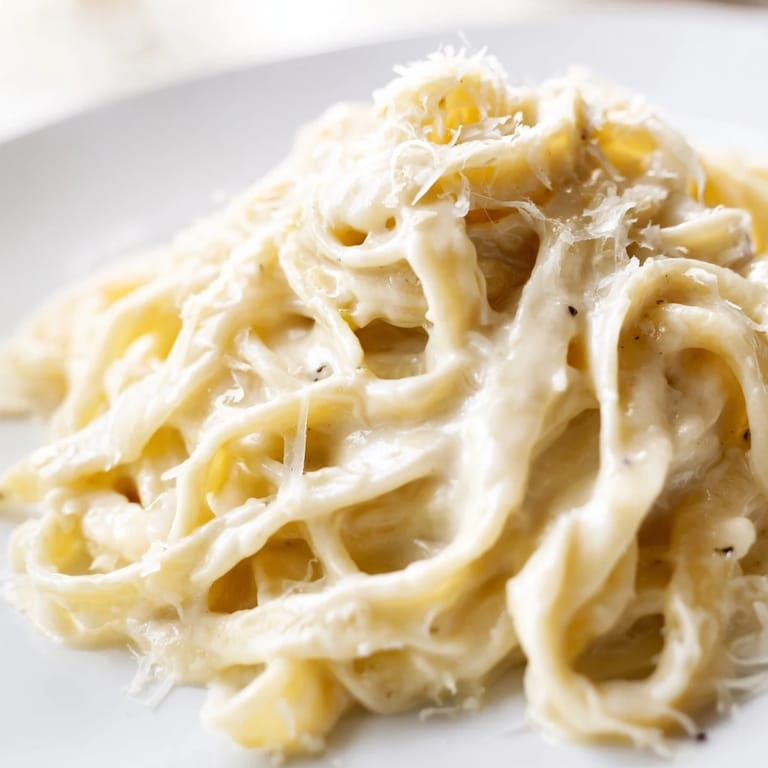
Reserve pasta water and add it gradually while tossing. Start with small splashes to adjust thickness, as the sauce will continue coating the pasta and thickening as it cools slightly. The consistency should be glossy and cling to each strand.
- → Can I make this dairy-free or lighter?
For a lighter version, substitute half-and-half or crème fraîche for heavy cream. For dairy-free options, use plant-based cream alternatives and nutritional yeast instead of Parmesan, though the flavor profile will differ slightly.
- → What vegetables pair well with this dish?
Sautéed spinach, roasted mushrooms, sun-dried tomatoes, or crispy pancetta complement this sauce beautifully. Add any vegetables after preparing the sauce to maintain their individual flavors and textures.