 Save to Pinterest
 There's something about the first warm Saturday in April that makes you want to cook eggs and nothing else. I was standing at the farmers market with a friend, both of us overloaded with asparagus bunches we couldn't resist, when she mentioned her sister's brunch coming up. We grabbed goat cheese from the cheese vendor next to us, and by the time we got home, the idea of a simple frittata felt like the only thing worth making. It came together faster than we expected, and honestly, the smell alone made everyone gather in the kitchen before it even came out of the oven.
My neighbor knocked on the door mid-cooking and ended up staying for the whole meal, which is exactly what happens when a frittata fills your kitchen with that grassy, herby, cheesy warmth. She brought over a bottle of something bubbly, and suddenly it wasn't just breakfast anymore—it was one of those impromptu gatherings that somehow feels planned. Those are the meals that stick with you, not because they're complicated, but because everything about them felt effortless and right.
Ingredients
- Asparagus (about 200 g): Trimmed into 2 cm pieces, it cooks just enough to lose the rawness but keeps that spring snap—trim the woody ends or your teeth will regret it.
- Red onion (1 small): Finely chopped, it softens into sweet undertones that balance the tanginess of the goat cheese.
- Baby spinach (1 cup, about 30 g): Wilts down to almost nothing, adding earthiness and minerals without any heaviness.
- Eggs (6 large): The foundation—use room temperature eggs if you can, they whisk more smoothly and cook more evenly.
- Whole milk (1/4 cup or 60 ml): Adds tenderness and helps everything puff up slightly during baking.
- Goat cheese (100 g, crumbled): The star ingredient that gives this frittata its tangy, creamy character—don't overwork it or it gets tough.
- Parmesan cheese (2 tbsp grated): Adds depth and a little umami punch that makes you want another slice.
- Fresh chives (2 tbsp): Split between the egg mixture and garnish so you get hits of onion flavor throughout and a final bright touch.
- Fresh dill (1 tbsp, optional): If you use it, it's like a little whisper of spring—don't skip it if you have it.
- Salt and pepper: Taste as you go; the goat cheese and Parmesan already carry salt, so hold back a touch.
- Red pepper flakes (optional): A pinch at the end wakes everything up without overpowering.
- Olive oil (2 tbsp) and butter (1 tbsp): Together they create a richer base than either alone, and the butter adds a subtle nuttiness.
Tired of Takeout? 🥡
Get 10 meals you can make faster than delivery arrives. Seriously.
One email. No spam. Unsubscribe anytime.
Instructions
- Preheat and prep:
- Set your oven to 180°C (350°F) and grab your ovenproof skillet—cast iron or nonstick work beautifully here because the frittata slides out cleanly. Having everything ready before you start cooking means you're never standing around waiting.
- Soften the aromatics:
- Heat olive oil in the skillet over medium heat, then add the red onion. You'll know it's ready when it turns translucent and smells sweet, about 2–3 minutes—this is where the flavor foundation gets built.
- Cook the vegetables:
- Add asparagus pieces and let them cook for 4–5 minutes, stirring occasionally so they get tender but don't turn mushy. When they're just shy of done, throw in the spinach and stir until it's completely wilted, which takes about a minute.
- Whisk the eggs:
- In a separate bowl, whisk together eggs, milk, salt, pepper, and half of the chives and dill until you have a uniform, pale yellow mixture. Don't whisk too aggressively or you'll incorporate too much air, which can make the texture weird.
- Build the frittata:
- Turn the heat down to low and pour the egg mixture evenly over the vegetables in the pan. Dollop the crumbled goat cheese across the top and sprinkle with Parmesan—the cheese doesn't need to be perfect, it'll melt and distribute as it cooks.
- Start on the stovetop:
- Let everything sit undisturbed for 4–5 minutes, which gives the edges a chance to set while the center stays creamy. Don't be tempted to stir; that's when the magic happens.
- Finish in the oven:
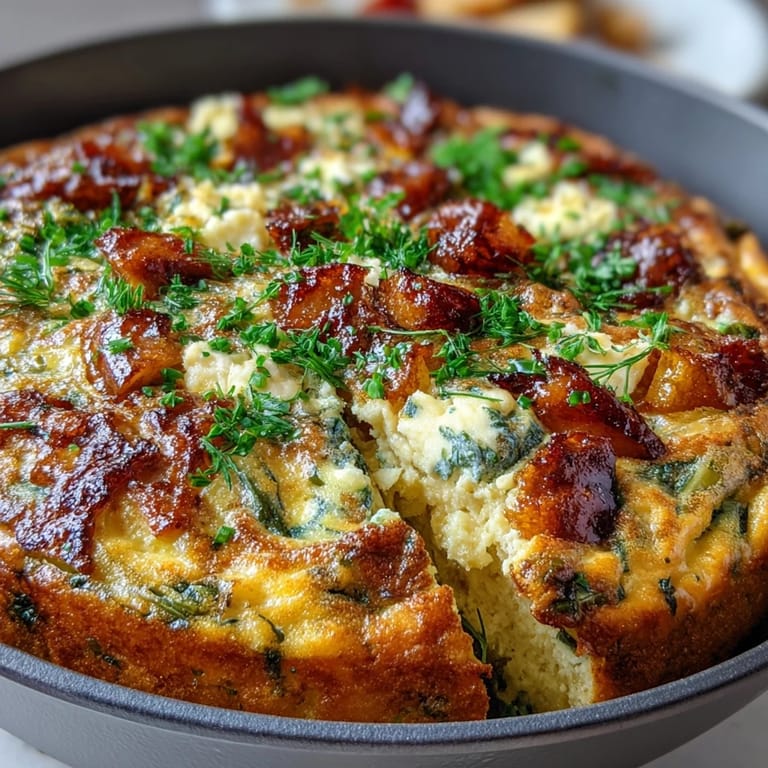
- Slide the skillet into the preheated oven and bake for 10–12 minutes until the center is just set and the top is lightly golden. It should jiggle ever so slightly in the very middle—that means it's done, not overdone.
- Rest and serve:
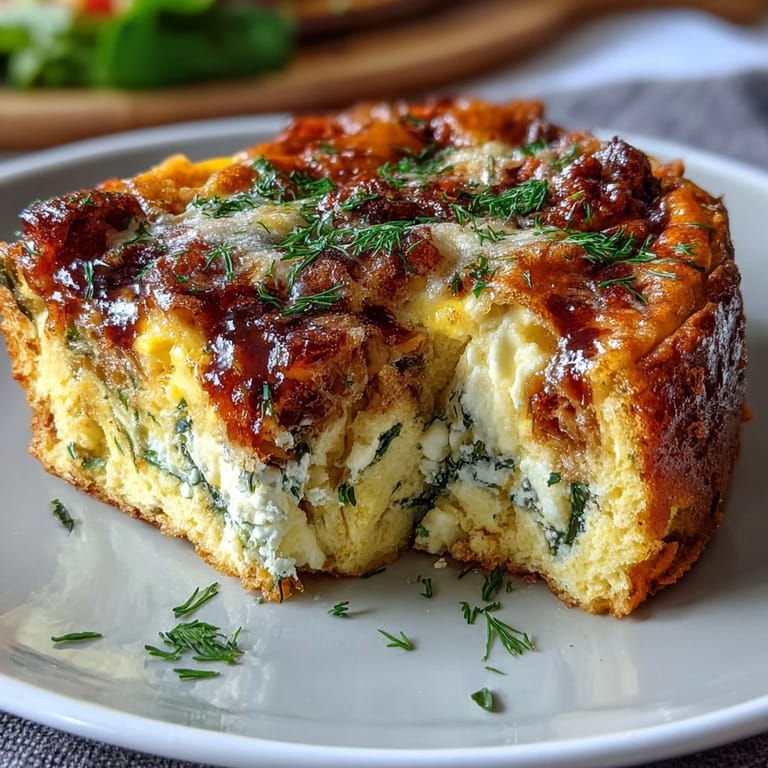
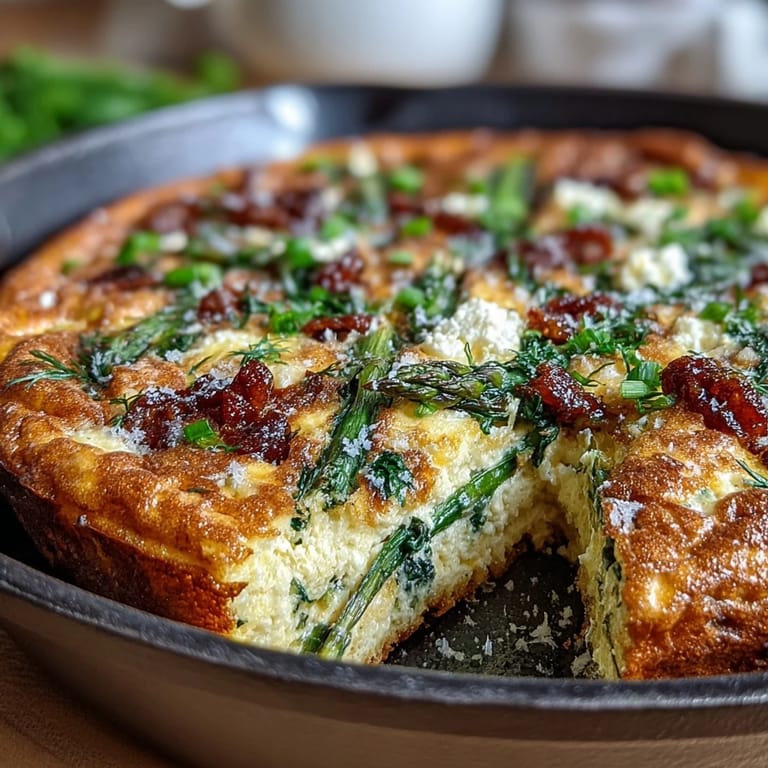
- Let it sit for 5 minutes out of the oven so everything settles and gets easier to cut. Garnish with the remaining fresh herbs and a pinch of red pepper flakes if you're in the mood for a little heat, then slice into wedges and serve warm or at room temperature.
 Save to Pinterest
 Last spring, I made this for my parents' anniversary brunch, and my mom took the last slice home in a container even though she swore she was too full. That's when I knew I'd made something worth repeating. It tastes just as good the next day, cold straight from the fridge or warmed gently in the oven, which makes it the kind of dish that earns real estate in your regular rotation.
Why Spring Vegetables Work Here
Asparagus and spinach have a brightness that heavier vegetables would steal from this dish. They cook quickly, which means they don't release excess moisture that could make the frittata watery or dense. There's also something psychologically satisfying about eating tender green vegetables that taste like they were just pulled from the ground, even though you picked them up at the market yesterday.
The Goat Cheese Factor
Goat cheese is tangy and creamy in a way that feels elegant without trying too hard. It contrasts with the earthy vegetables and mild eggs, creating this complexity that makes people ask what makes it taste so good. If you don't have goat cheese on hand, crumbled feta or even ricotta works, but the flavor shifts—goat cheese is the one that makes this recipe sing.
Make It Your Own
The beautiful thing about frittatas is how flexible they are once you understand the basic ratio. Spring peas, sautéed leeks, or thinly sliced mushrooms all work beautifully in place of or alongside the asparagus and spinach. The herb situation is up to you too—tarragon instead of dill, or fresh mint if you're feeling adventurous. Just remember the formula: vegetables soften on the stovetop, eggs come together, cheese gets involved, then the oven does the heavy lifting.
- Prep your vegetables before you start cooking so everything moves smoothly without scrambling.
- If your skillet isn't nonstick, butter it generously or use parchment paper to prevent sticking.
- Serve this with crusty bread and a simple green salad for a complete, effortless meal that feels special.
 Save to Pinterest
 This frittata has become my go-to when I want to cook something that feels thoughtful but doesn't demand much stress. It's proof that the best meals don't require a complicated recipe, just good ingredients and the confidence to keep it simple.
Recipe FAQs
- → Can I substitute goat cheese with other cheeses?
Yes, feta or ricotta can be used for a milder or creamier flavor while maintaining the dish's texture.
- → What vegetables pair well with this dish?
Adding peas, leeks, or extra spinach enhances the freshness and complements the asparagus nicely.
- → How do I ensure the frittata cooks evenly?
Sauté vegetables until tender, pour the egg mixture gently, cook undisturbed on stove briefly, then finish baking for even setting.
- → Is this dish suitable for a gluten-free diet?
Yes, it is gluten-free as written, but always check labels of dairy products if highly sensitive.
- → What sides complement this brunch dish?
A crisp green salad and crusty bread or a glass of sparkling rosé enhance the overall experience.