 Save to Pinterest
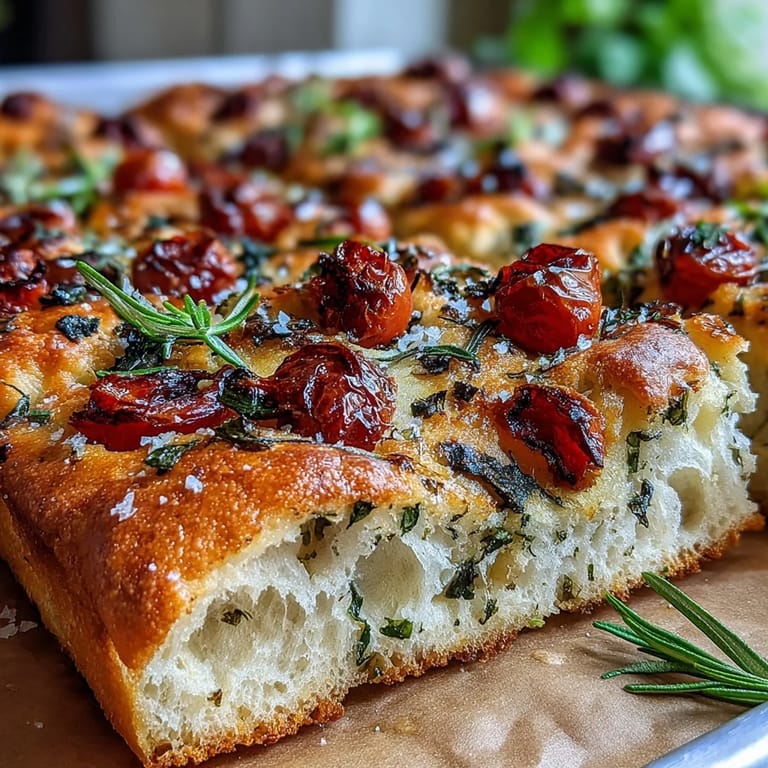
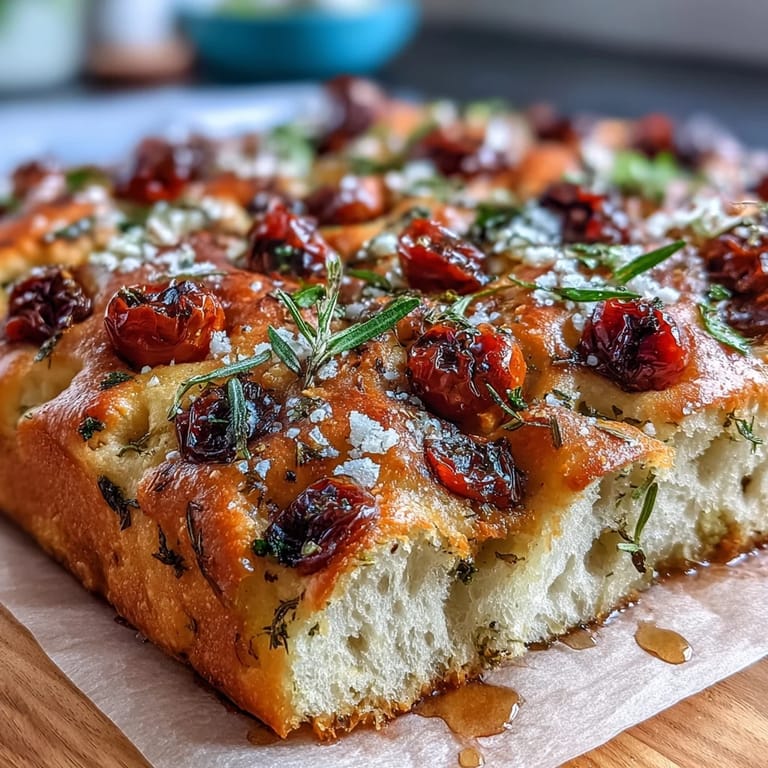
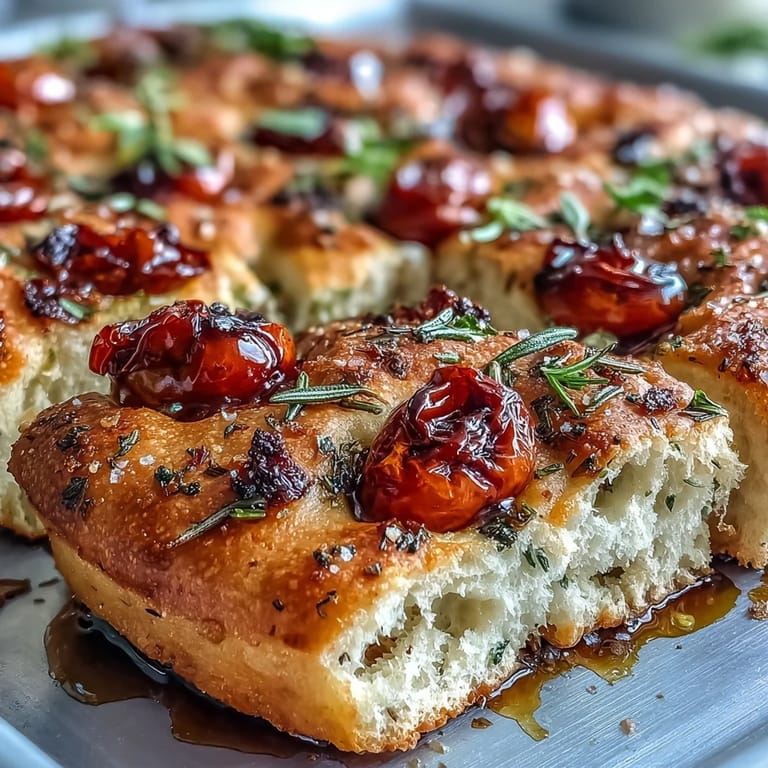
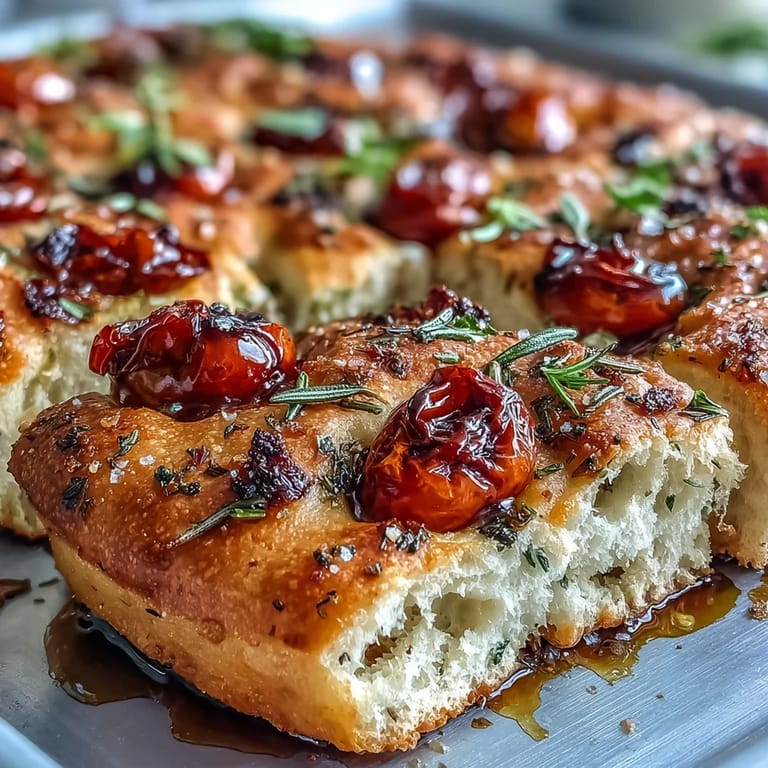
 Each spring when windows finally open and breezes sneak in, I’m drawn to fresh, hopeful recipes like this herb-studded focaccia. The moment herbs burst into life in my little kitchen garden, I always end up with more than I know what to do with—and this golden, olive oil-laced bread became one of my favorite ways to celebrate the season. The heady smell of yeast and rosemary rising together is unmistakable, and there’s something almost meditative about dimpling soft dough with oily fingers. Even my neighbor popped by once, lured by the aroma wafting through the hallway. The warm bread, piled high with cherry tomatoes and flecks of green, rarely makes it past the first hour out of the oven.
I once brought this focaccia to a last-minute picnic in the park, still a little warm since I’d underestimated the cooling time in my haste. My friends tore into it, passing chunks around and leaving buttery smudges on borrowed paperback novels and napkins. Someone even confessed they’d never had homemade bread before, and now asks for it every spring. There’s always a moment, just before serving, when I sprinkle flaky salt with a flourish—a tiny, satisfying ritual. That was the afternoon I learned just how quickly good bread disappears among friends outdoors.
Ingredients
- Bread flour: Essential for that chewy, airy texture—a mix of bread and all-purpose works in a pinch, but go for bread flour if you want those classic bubbles.
- Fine sea salt: Adds depth and wakes up the flavor of otherwise simple dough; I avoid iodized salt here, which tastes too sharp.
- Active dry yeast: Trusty packets never fail me, but make sure the water isn’t too hot or the yeast might sulk and refuse to bubble.
- Lukewarm water: Just barely warm to the touch, like the memory of a summer pool, so the yeast feels at home.
- Extra-virgin olive oil: This is the time for the good stuff, both for its grassy flavor and for that signature golden sheen.
- Cherry tomatoes: They roast into sweet jewels on top, just press them gently into the dough so they don’t roll away while baking.
- Fresh rosemary: The citrusy, piney kick sets the whole focaccia apart—I always swipe extra from my friend’s garden, too.
- Fresh thyme: Adds a subtle floral note without overpowering the other herbs.
- Fresh chives: Their tender green bite gives lovely color and a gentle onion edge.
- Fresh basil: Torn just before sprinkling, its perfume is pure spring; save a little to garnish right before serving.
- Flaky sea salt: Giant flakes finish the bread with a bit of drama and crunch—never skip the final sprinkle.
- Freshly ground black pepper: Brings warmth; I give one or two quick grinds so the herbs truly pop.
Tired of Takeout? 🥡
Get 10 meals you can make faster than delivery arrives. Seriously.
One email. No spam. Unsubscribe anytime.
Instructions
- Mix the dry ingredients:
- In a big bowl, whisk together flour and salt until the air seems a little dusty and the salt disappears.
- Wake up the yeast:
- Combine yeast and lukewarm water in a small bowl; wait for the bubbles and foam—it signals the yeast is alive and ready.
- Start the dough:
- Pour the yeast mixture and olive oil over the flour, then mix until a sticky mass forms, scraping every last bit from the sides.
- First rise:
- Transfer the messy dough into a lightly oiled bowl, cover it with a damp towel, and let it rise somewhere cozy for about an hour and a half, or until doubles in size and looks pillowy.
- Prepare the tray:
- Generously oil a 9x13-inch tray—don’t be shy. Tip the dough gently onto the tray, then press and stretch with slicked fingers, creating deep dimples all over.
- Second rise:
- Cover the tray and let the dough rise again for about 30 minutes until it gets even puffier and fills out the tray edges.
- Preheat the oven:
- Crank the oven to 220C (425F) so it’s hot and ready once the dough is risen.
- Add the toppings:
- Drizzle olive oil over the bread, then scatter tomatoes, herbs, flaky salt, and black pepper. Press toppings in gently so they don’t burn.
- Bake:
- Bake for 22–25 minutes until golden brown and the edges are singing with crispness.
- Cool and serve:
- Let the bread rest for a few minutes after baking—the hardest part—before slicing into generous pieces and serving warm or at room temperature.
 Save to Pinterest
  Save to Pinterest
 I’ll never forget serving this bread at my tiny kitchen table, perched between stacks of seed packets and mismatched plates, when my family stopped by unannounced. The laughter grew louder with every slice, and even my skeptical uncle—always wary of anything “fancy”—asked for seconds. Sometimes the most memorable food moments are unplanned, with good bread and better company. By the time we finished, there was nothing left but a little dusting of salt and scattered crumbs. It was one of those rare afternoons that just felt perfectly enough.
Choosing Your Toppings: Trust Your Instincts
After making focaccia a few times, I started tossing whatever I had on hand—sometimes a handful of dill or a few stray olives. Don’t hesitate to change up the mix of herbs to match what you love or what’s in your garden. If you want a more savory note, add a spoonful of parmesan or swap in caramelized onions for some of the tomatoes. Each batch turns out slightly different, and that’s part of the fun. The joy is in the improvisation, so feel free to make it your own every time.
Batch Size and Storing: No Slice Left Behind
If you somehow end up with leftovers, wrap the bread in a clean kitchen towel to keep it from drying out. The next day, I recommend reheating slices in a hot oven for a few minutes to revive that crisp edge. Focaccia also makes a fantastic sandwich base, especially piled high with grilled veggies or a smear of goat cheese. It freezes beautifully when well-wrapped—just thaw and toast before serving. There’s really no wrong way to use every last morsel.
Serving Ideas That Earn Compliments
I love serving this focaccia with a shallow bowl of peppery olive oil and tangy balsamic on the side, perfect for tearing and dipping. In spring, pair it with a simple green salad or a bowl of fresh ricotta for balance. You can even use it as the base for an open-faced sandwich or a vibrant bruschetta spread.
- Try topping slices with ricotta and peas for an easy appetizer.
- Bake mini rounds for individual picnic portions.
- Always let the focaccia cool a bit so you can enjoy the full burst of herbal flavor.
 Save to Pinterest
  Save to Pinterest
 This focaccia never fails to bring a little sunshine to my table, no matter the weather outside. I hope it brightens your spring days, one dimpled loaf at a time.
Recipe FAQs
- → How wet should the dough be?
The dough should be slightly sticky and tacky rather than dry; bread flour and a good hydration give an open crumb. Use oiled hands when handling to prevent sticking while stretching into the tray.
- → How long should the first rise take?
Allow 1–1.5 hours in a warm spot until the dough has roughly doubled in size. Colder kitchens will need more time; look for a visible increase rather than relying strictly on the clock.
- → Can I substitute the herbs?
Yes—swap or add soft spring herbs like parsley, dill or tarragon. Robust herbs such as rosemary and thyme withstand the oven well; delicate herbs like basil are best torn on after baking or used sparingly before baking.
- → How do I get a crisp edge and soft interior?
Generously oil the tray and use a hot oven (220°C/425°F). The oil helps crisp the base and edges while the hydrated dough and steam in the crumb keep the interior tender.
- → How should leftovers be stored?
Cool completely, then wrap tightly and keep at room temperature up to 2 days or freeze slices for longer storage. Reheat briefly in a hot oven to refresh the crust and soften the crumb.
- → Any tips for topping placement?
Press halved cherry tomatoes gently into the dough so they stay put, and scatter herbs evenly. Sprinkle flaky salt after topping to preserve its texture and finish with freshly ground black pepper to taste.