 Save to Pinterest
 The first time I stood over a pot of leeks and butter, I was mesmerized by how quickly the sharp onion scent turned into something sweet and mellow. It was a grey afternoon and the kitchen felt like the only warm place in the world. I did not have much in the pantry besides a few dusty potatoes and these giant green stalks. That humble combination transformed into a bowl of silk that changed my standard for comfort food forever. Now, whenever the wind picks up, I find myself reaching for the vegetable peeler.
I remember hosting a small dinner where I accidentally forgot to remove the bay leaf before blending. We spent the whole meal laughing while trying to fish out little green shards from our bowls. It taught me that even a messy kitchen moment creates a memory worth keeping. Cooking should not be perfect, it should just be shared with people who do not mind a little chaos. This soup has a way of making everything feel a bit more grounded.
Ingredients
- 3 medium leeks: These are notorious for hiding dirt between their layers so give them a very thorough bath in a bowl of cold water.
- 2 tablespoons unsalted butter: Using butter instead of oil creates a velvety base that carries the delicate flavor of the vegetables.
- 1 medium yellow onion: This provides a foundational sweetness that complements the more refined flavor of the leeks.
- 3 medium Yukon Gold potatoes: These are naturally buttery and provide a much smoother finish than starchy baking potatoes.
- 2 cloves garlic: This little addition brings a necessary punch that balances the sweetness of the onions and leeks.
- 4 cups (1 liter) low sodium vegetable broth: A lighter broth lets you control the saltiness so the sweet vegetables can really shine.
- 1 cup (240 ml) whole milk or heavy cream: Adding this at the very end ensures the soup stays silky and prevents any separation from high heat.
- 1 bay leaf: This adds a subtle herbal background note that keeps the soup from tasting one dimensional.
- 1 teaspoon salt: This essential seasoning wakes up all the other flavors in the pot.
- half teaspoon freshly ground black pepper: The bite of fresh pepper cuts through the richness of the dairy and butter.
- quarter teaspoon ground nutmeg: Just a tiny pinch acts as a secret bridge between the earthy potatoes and the rich cream.
- 2 tablespoons chopped fresh chives: A pop of green at the end adds a fresh onion bite and a beautiful visual contrast.
Tired of Takeout? 🥡
Get 10 meals you can make faster than delivery arrives. Seriously.
One email. No spam. Unsubscribe anytime.
Instructions
- Sweat the aromatics:
- Melt your butter and let the leeks and onions soften slowly without letting them turn brown. You want them translucent and fragrant like a soft spring morning.
- Build the base:
- Stir in the garlic for just a minute before adding your diced potatoes and broth. Drop in the bay leaf and let everything simmer until the potatoes fall apart at the touch of a fork.
- The smooth transition:
- Fish out that bay leaf and use your blender to turn the chunky mix into a liquid cloud. Work in batches if you are using a standard blender to avoid any messy steam explosions.
- The final touch:
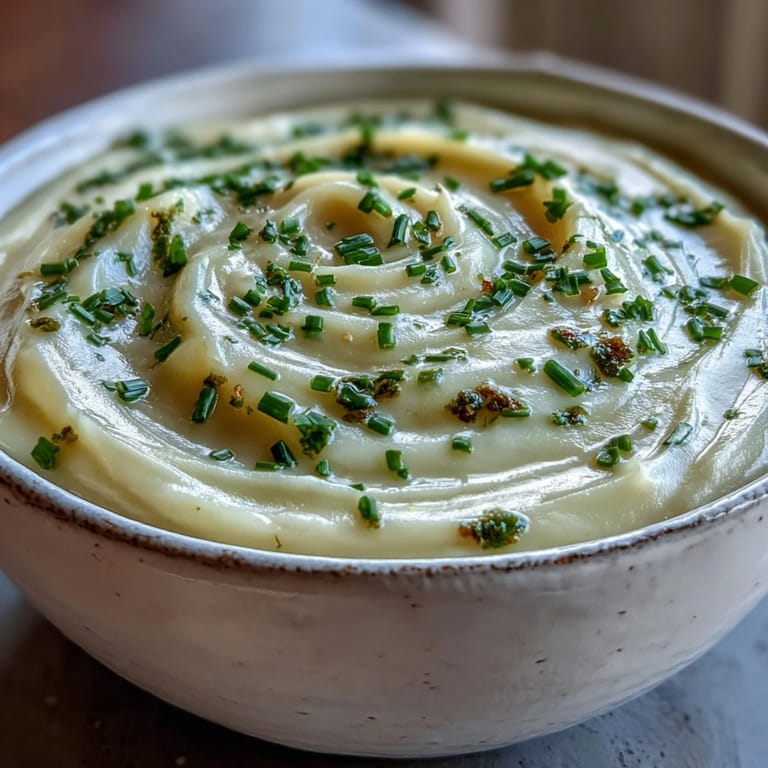
- Stir in the milk or cream and let the soup warm through without coming to a boil. Finish it with a grating of nutmeg and some fresh chives to make the whole bowl sing.
 Save to Pinterest
 One winter I made a massive batch of this for a neighbor who was feeling under the weather. The steam from the pot fogged up my glasses as I ladled it into a glass jar. It felt like I was bottling up a little bit of sunshine to give away. There is something truly special about a dish that is both simple enough for a Tuesday and elegant enough for a gift.
Choosing Your Potatoes
The type of potato you choose determines the soul of the soup. Yukon Golds give that signature yellow hue and a creamy mouthfeel that is hard to beat. If you use Russets the soup will be fluffier but might feel a bit more grainier on the tongue. I usually stick with the Golds because they hold their own against the broth.
The Art of the Leek
When you are cleaning your leeks, only use the white and very light green parts. The dark green tops are way too tough for a smooth soup but they make a great base for homemade stock later. I like to slice them into thin half moons so they melt away into the butter. This patience in the beginning pays off with a much deeper flavor profile.
Serving Suggestions
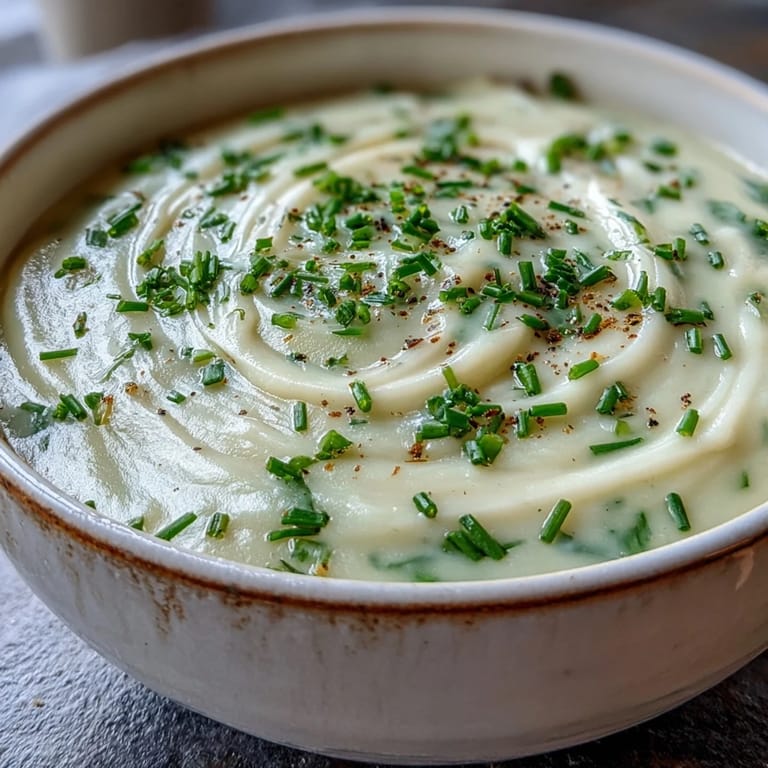
A bowl of soup is a blank canvas for whatever crunch or herb you have on hand. I love a heavy sprinkle of chives or even a few crunched up crackers. If you want to get fancy, a tiny swirl of olive oil on top looks beautiful.
- Keep the heat low once the dairy is added to prevent curdling.
- A splash of white wine added after the onions soften adds a bright acidity.
- Leftovers actually taste better the next day once the flavors have mingled.
 Save to Pinterest
 This soup is a reminder that the simplest ingredients often make the most profound meals. I hope every spoonful brings you as much peace as it brings to my kitchen.
Recipe FAQs
- → Can I make this ahead of time?
Absolutely. This soup actually develops deeper flavor when made ahead. Store it in the refrigerator for up to 3 days. Reheat gently over low heat, adding a splash of milk or broth if it has thickened too much.
- → What potatoes work best?
Yukon Gold potatoes are ideal because they naturally create a creamy texture when blended. Russets also work beautifully and break down easily. Avoid waxy varieties like red potatoes, as they won't yield the same silky consistency.
- → Is freezing recommended?
Yes, freeze before adding cream or milk. The dairy can separate when frozen and thawed. Blend the soup with broth only, cool completely, then freeze for up to 3 months. Add cream when reheating.
- → How do I clean leeks properly?
Leeks often hide soil between their layers. Slice them lengthwise, then cut into half-moons. Place in a bowl of cold water, swish vigorously, and let sit for 5 minutes. The grit settles at the bottom. Lift leeks out carefully, leaving dirt behind.
- → Can I use a regular blender?
Certainly. An immersion blender is convenient, but a countertop blender works wonderfully. Cool the soup slightly first, then blend in batches. Never fill the blender more than halfway hot liquid can expand and cause splashing.
- → What can I use instead of cream?
Whole milk creates a lighter version. For dairy-free, try coconut milk for subtle sweetness or cashew cream for neutral richness. Even additional broth yields a delicious, soul-warming result.