 Save to Pinterest
 My first encounter with Vietnamese caramel chicken happened during a humid afternoon in Hanoi, watching my neighbor's mother work her magic in a small kitchen with just a wok and an unwavering focus on the caramel. She never wrote anything down, never tasted until the very end, and somehow always knew exactly when the sugar had reached that perfect amber that meant the chicken would be glossy and alive. Years later, I finally understood what she was doing—it wasn't magic, just technique born from repetition and respect for the ingredient. Now every time I make this dish, I chase that same confidence she had, letting the caramel tell me when it's ready.
I made this for my partner one quiet Tuesday evening when we were both tired and hungry, and something about watching the sugar turn that deep copper color while the kitchen filled with the smell of caramelizing and fish sauce felt like a small ceremony. He ate the entire plate in near silence, then asked for the recipe, which somehow meant more than any compliment. That's when I knew this dish had the kind of straightforward elegance that quietly wins people over.
Ingredients
- Boneless, skinless chicken thighs (800 g): Thighs are forgiving in the best way—the higher fat content keeps them juicy even if your timing isn't perfect, and they absorb the caramel sauce like a sponge.
- Fish sauce (3 tbsp): This is the backbone, the umami whisper that makes everything taste deeply Vietnamese; don't skip it, and don't be nervous about the smell in the bottle—it transforms completely when cooked.
- Light soy sauce (2 tbsp): Use the lighter kind, not dark, so the caramel can shine and the sauce stays glossy instead of turning murky.
- Brown sugar (2 tbsp): Adds gentle molasses notes that complement the savory elements without overwhelming them.
- Lime juice (1 tbsp): The sharp brightness that cuts through richness and keeps the dish from feeling heavy; fresh lime is non-negotiable here.
- Minced garlic (2 tsp): Raw garlic in the marinade mellows as it cooks, becoming almost sweet and integrated into the sauce rather than sharp.
- Freshly ground black pepper (1 tsp): Grind it yourself if you can—pre-ground loses its bite and you need that little tingle here.
- Vegetable oil (1 tbsp): Neutral oil for cooking; keep it light because the chicken and caramel will release their own fats.
- Granulated sugar (4 tbsp): For the caramel base—use white granulated, not brown, so you can watch the color transform clearly.
- Water (3 tbsp): For dissolving the sugar into caramel; the ratio matters more than you'd think.
- Spring onions, red chili, and fresh coriander: These aren't just garnish—the bright freshness they bring creates a necessary contrast to the sticky-savory sauce.
Tired of Takeout? 🥡
Get 10 meals you can make faster than delivery arrives. Seriously.
One email. No spam. Unsubscribe anytime.
Instructions
- Marinate the chicken:
- Toss your chicken pieces with fish sauce, soy sauce, lime juice, minced garlic, and black pepper in a bowl, letting them sit for at least 15 minutes (or up to 2 hours if you have time). The marinade will season the chicken deeply and start breaking down the proteins for tenderness.
- Make the caramel:
- Pour sugar and water into your skillet or wok, then set the heat to medium and walk away—no stirring allowed, just patience. After about 4 to 5 minutes, the mixture will transform from a pale syrup into a dark amber liquid that smells almost nutty; this is the moment to trust your eyes, not a timer, because even 30 seconds too long and it turns bitter.
- Add the chicken:
- The second the caramel reaches that deep amber, pour in all the marinated chicken and its juices, then toss quickly and confidently to coat everything in that glossy mixture. The caramel will seem to seize slightly when the cold chicken meets it—that's normal and exactly what you want.
- Cook until glossy:
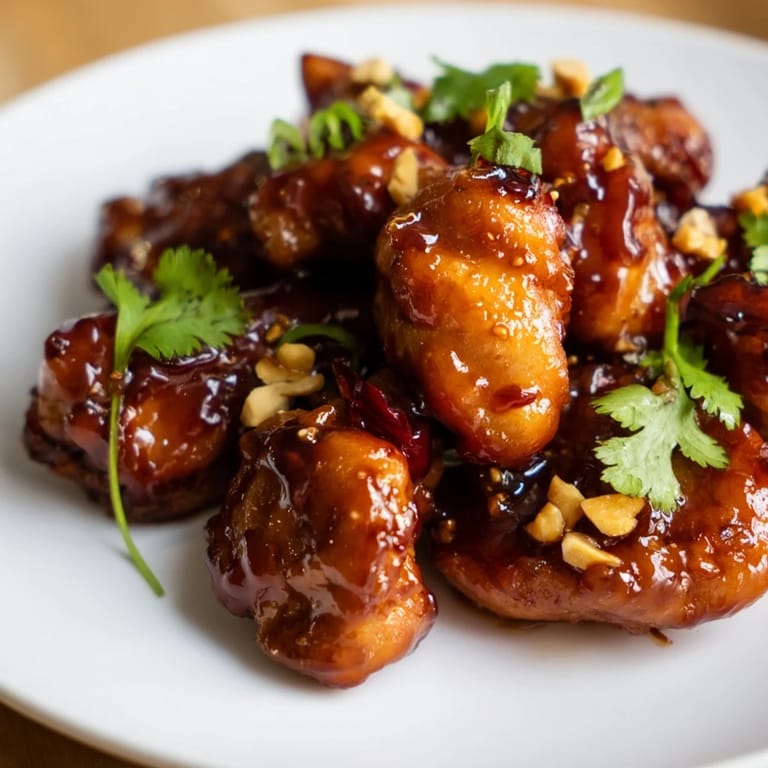
- Add the vegetable oil and keep the heat at medium-high, stirring occasionally, for about 8 to 10 minutes until the chicken is cooked through (no pink inside) and the sauce has thickened into a sticky, lacquered glaze that clings to every piece. You'll know it's done when the liquid reduces and the chicken looks glossy rather than wet.
- Taste and balance:
- Before serving, take a small taste of the sauce—add more fish sauce if it needs deeper savory notes, or more lime juice if it's feeling too sweet. This dish is about balance, and your palate is the best guide.
- Finish and serve:
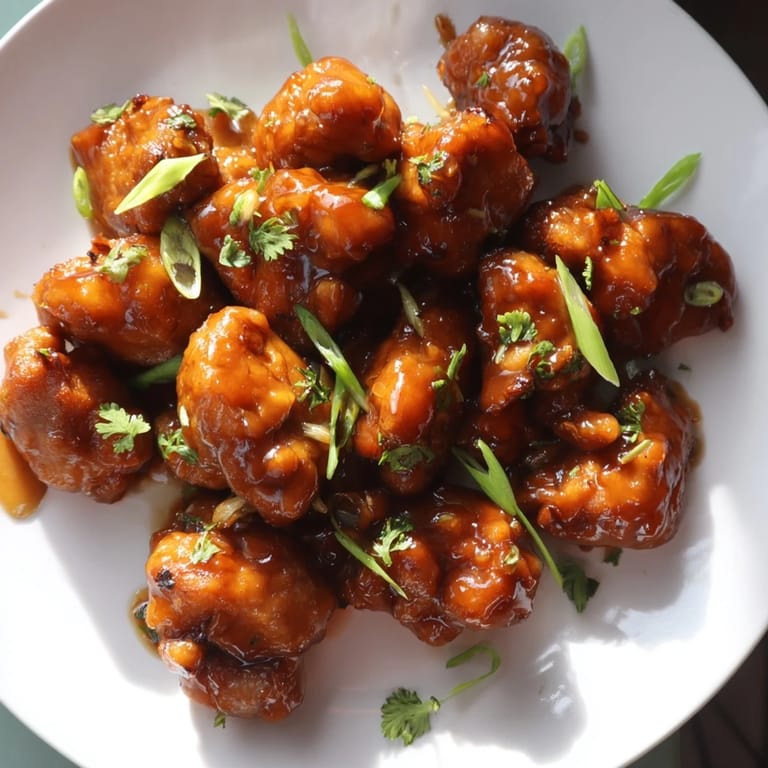
- Transfer to a serving plate and scatter spring onions, thinly sliced red chili, and fresh coriander over the top while it's still hot. Serve alongside steamed jasmine rice, letting the rice soak up every bit of that gorgeous caramel sauce.
 Save to Pinterest
 There's a moment when you lean over the wok and the steam carries that caramel-fish sauce aroma straight up, and suddenly you understand why this dish has been cooked in kitchens across Vietnam for generations—it's simple, but it tastes like someone knows exactly what they're doing. That moment of confidence in a pan is worth chasing.
Why Thighs Win Every Time
I've tested this with chicken breast out of curiosity and efficiency, and while it works, it never felt quite right—the meat cooked too fast and ended up a bit dry no matter how carefully I watched it. Thighs are built differently; they have enough fat running through them that even if your timing is off, they stay forgiving and tender. The caramel clings to them better too, creating that glossy, sticky finish that makes this dish feel special rather than just another weeknight chicken.
The Caramel Moment That Changes Everything
The caramel is where this dish lives or dies, so it deserves your attention and a clear head. Heat your sugar and water on medium, and resist every urge to stir—the mixture will look chaotic at first, with some crystallized edges, but as the heat does its work, it'll melt into a golden syrup and then gradually darken. This is the time to stand close and watch, maybe with a wooden spoon nearby in case you need to pull the pan off heat in a hurry. The color you're chasing is deep amber, almost brown, but not black—if you smell anything burnt, you've gone too far.
Building Flavor Through Balance
Vietnamese cooking is all about balance—sweet, salty, sour, and spicy meeting in one bowl and somehow creating something that's greater than the sum of its parts. This dish nails that through the caramel providing sweetness, the fish sauce delivering salt and umami, the lime bringing brightness and acid, and the chili adding heat if you want it. The real skill is tasting at the end and knowing which direction the sauce needs to lean—some days it needs more fish sauce depth, other days it needs lime to cut through the richness.
- Always taste the sauce after cooking—your palate knows what your kitchen needs better than any recipe ever could.
- Fresh lime juice makes a noticeable difference compared to bottled; it's worth squeezing it yourself.
- If the dish feels too sweet despite the balance, add a pinch more black pepper or a splash more fish sauce rather than more lime, which can make it acidic.
 Save to Pinterest
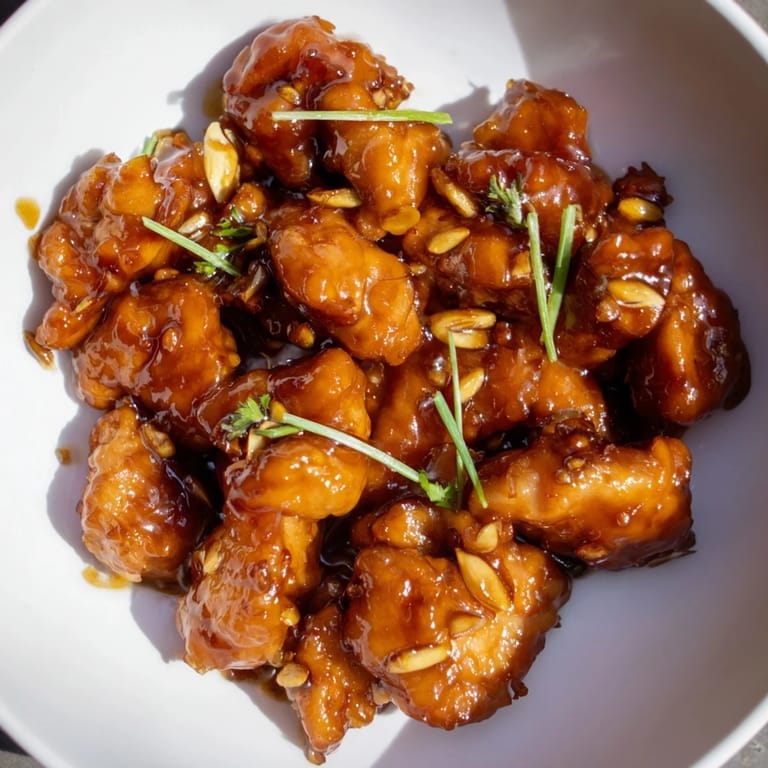
 This is the kind of dish that feels like you've been cooking Vietnamese food for years, even if it's your first time. Serve it hot with jasmine rice and maybe some quick-pickled vegetables on the side, and watch how people's faces light up when they taste it.
Recipe FAQs
- → How do I achieve the perfect caramel for the sauce?
Heat sugar and water over medium heat without stirring until it melts and turns a deep amber color. Watch closely to prevent burning for a rich, smooth caramel base.
- → Can I substitute chicken thighs with other cuts?
Yes, chicken breast can be used but requires careful cooking to avoid dryness. Thighs offer more tenderness and flavor for this dish.
- → What can I serve alongside this dish?
Steamed jasmine rice pairs excellently, as do light beverages such as iced green tea or crisp white wine for balance.
- → How can I adjust the spiciness level?
Add more sliced chili or a pinch of chili flakes when garnishing to increase heat according to taste.
- → Is there a dairy-free consideration for this dish?
Yes, this preparation is naturally dairy-free, utilizing fish sauce and soy sauce for depth without any milk products.